
Blog
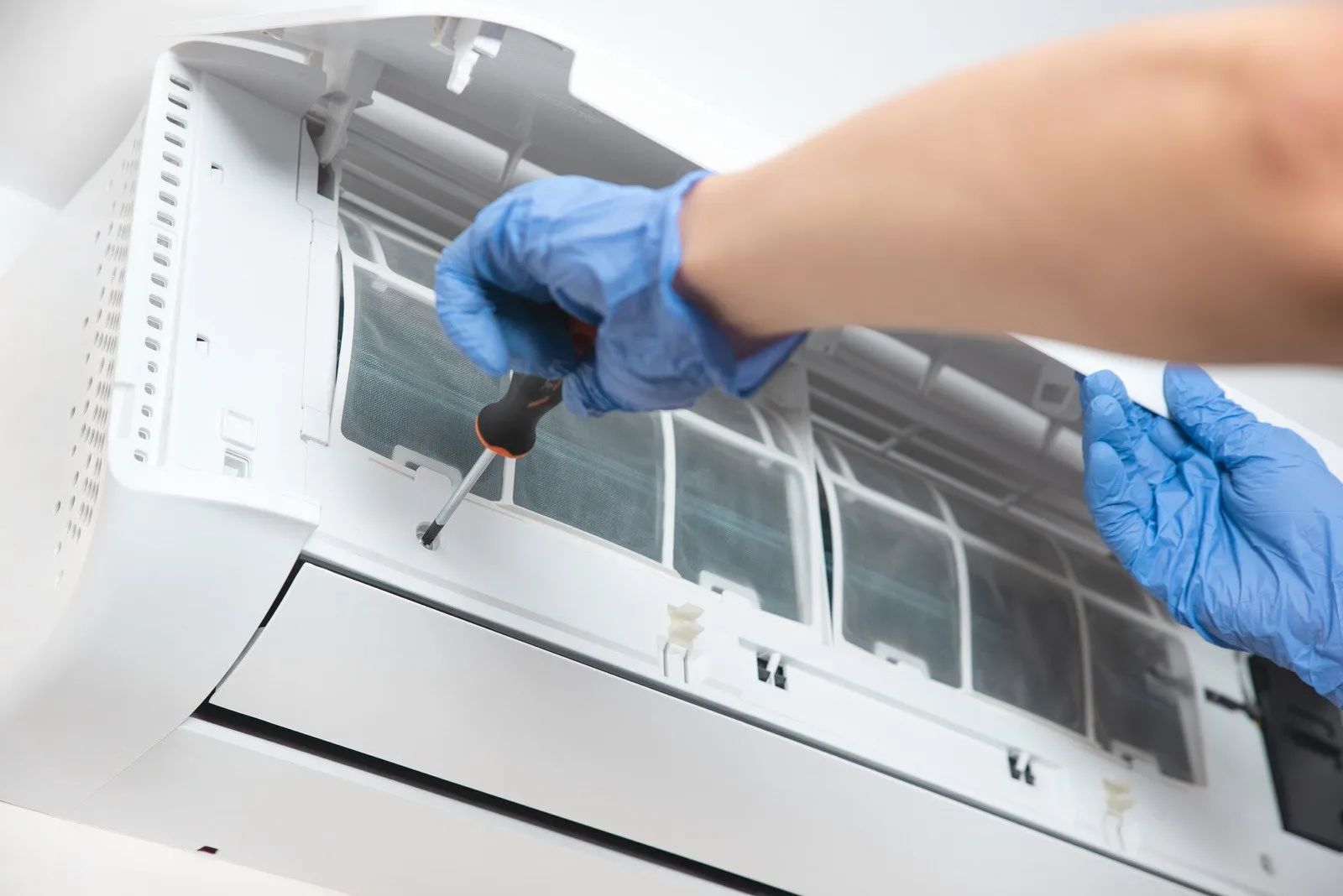
Learn why older homes cool unevenly due to ductwork & insulation issues. Contact us for expert HVAC solutions today!
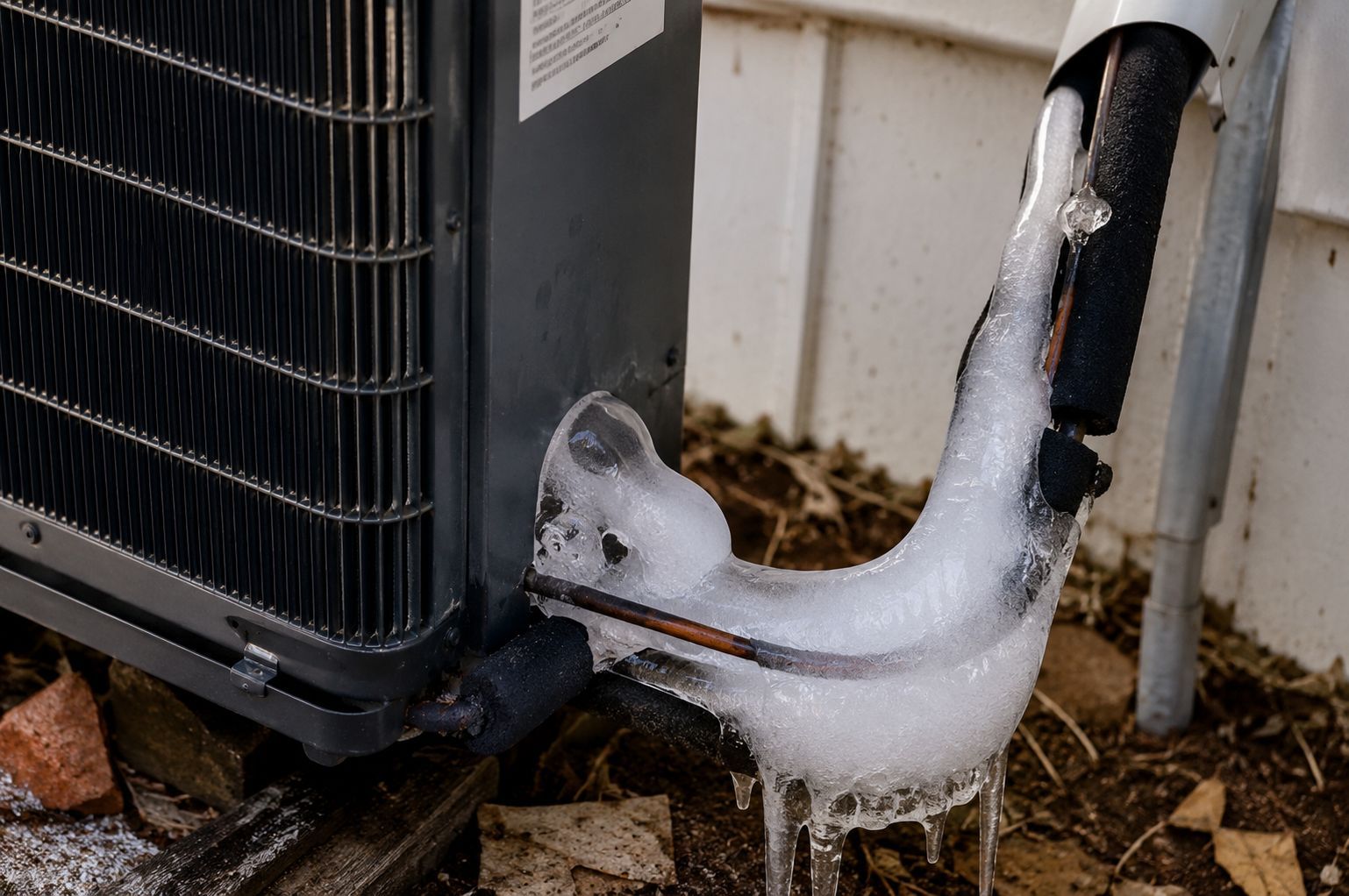
Learn why your AC freezes & how to fix it. Turn off the unit to prevent damage. Contact us for HVAC help today!
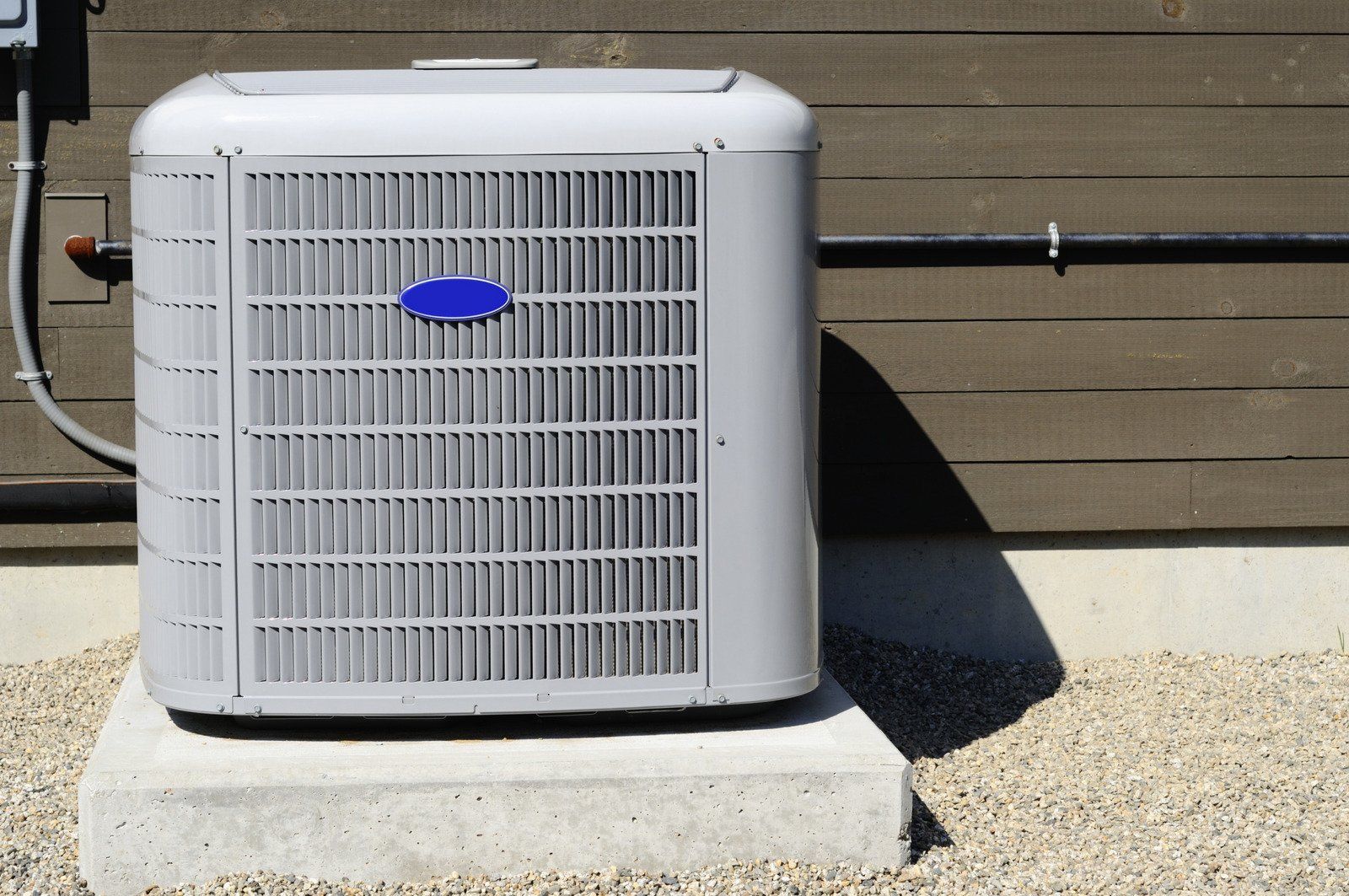
Is your AC running but your home feels warm? Learn common causes of cooling issues & get expert help. Contact us today!
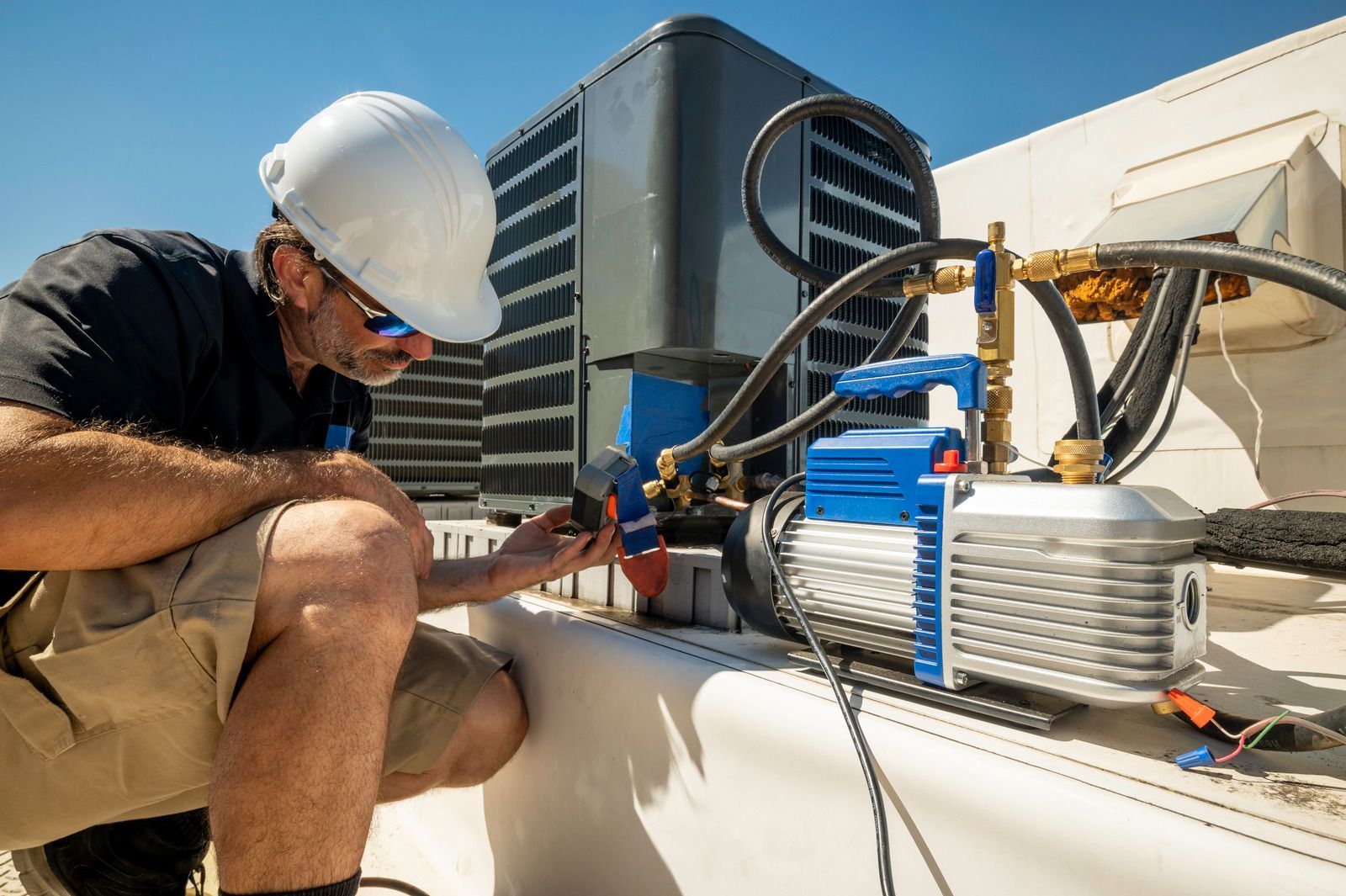
Learn what to expect from emergency HVAC services. Act fast & ensure your comfort during heating or cooling failures.
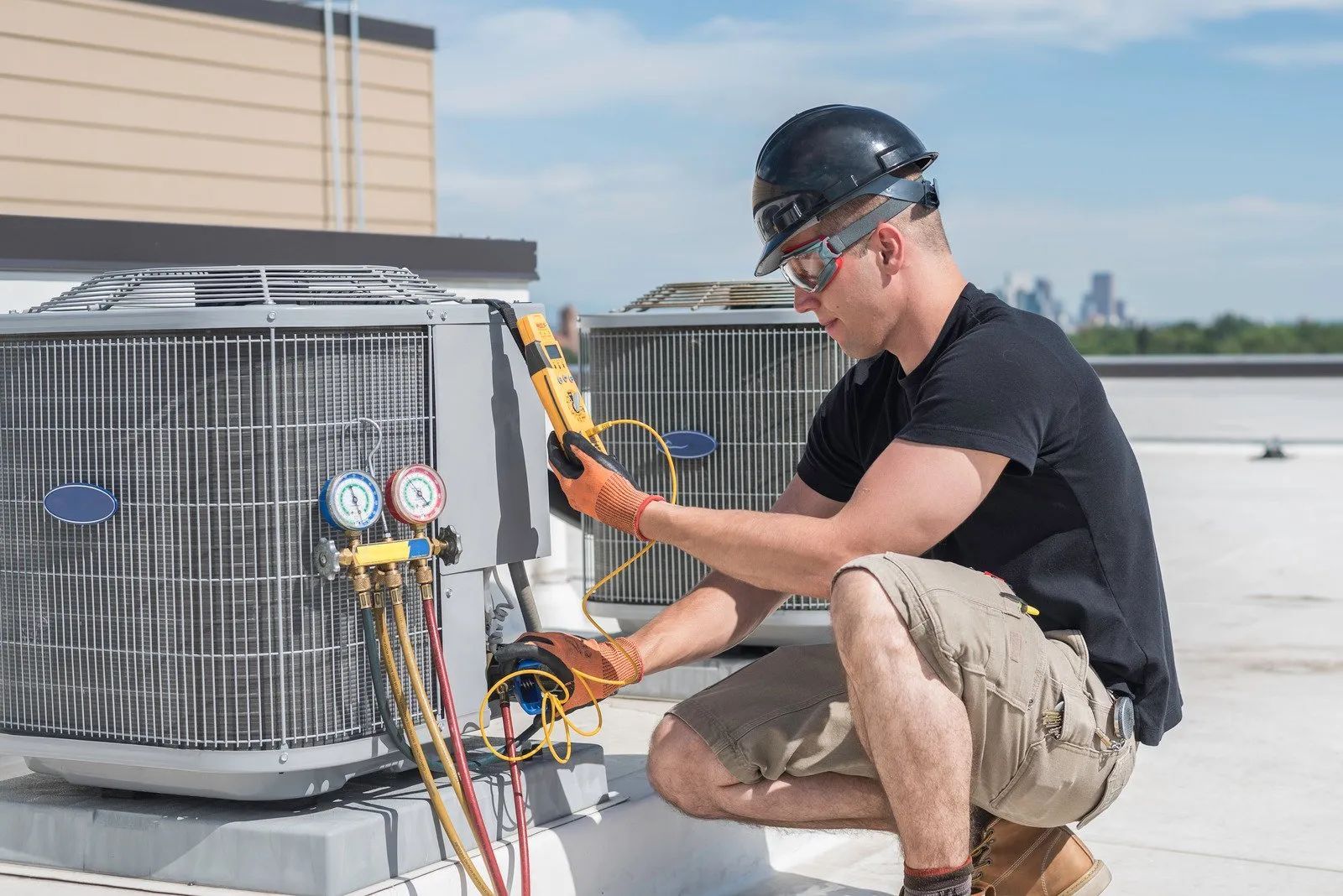
Heating and cooling systems work quietly in the background for most homes and businesses, providing comfort during extreme temperatures and supporting healthy indoor environments throughout the year.
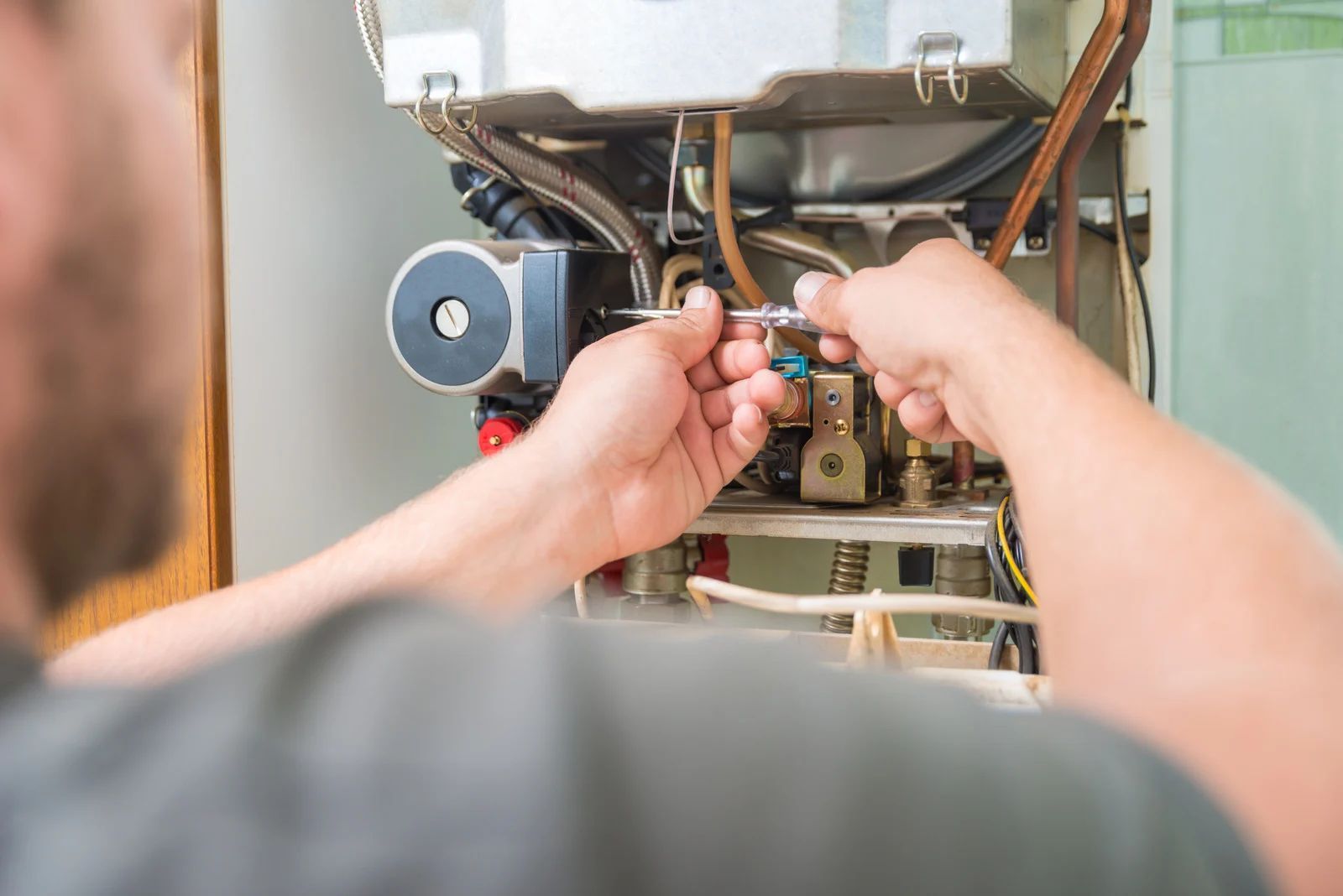
A reliable furnace is essential for maintaining indoor comfort, especially during colder months when consistent heating is critical for both safety and daily living. However, every homeowner eventually faces a challenging decision: should the furnace be repaired to extend its life, or is it time for a full replacement?
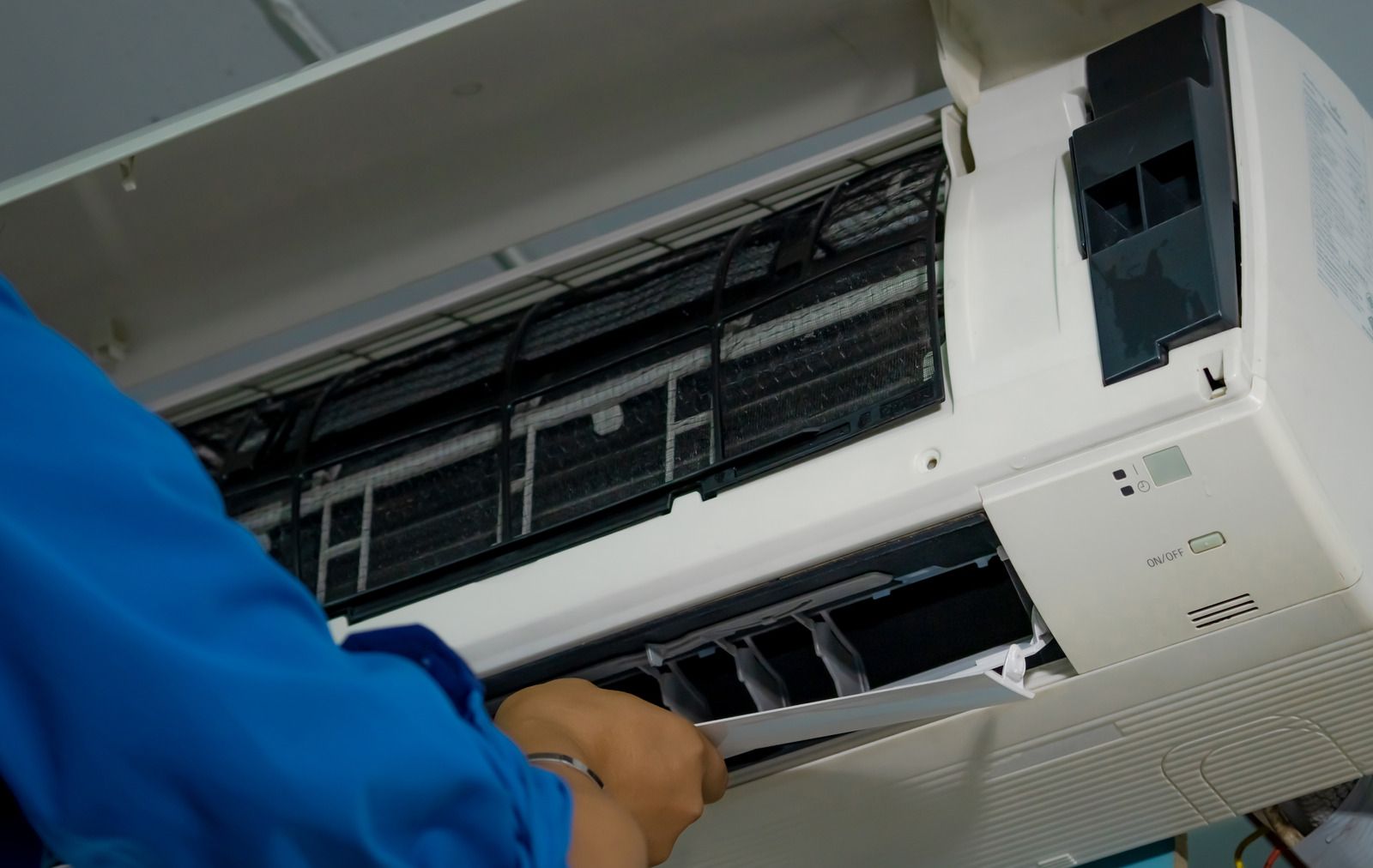
Maintaining your air conditioner (AC) throughout the year is essential for ensuring reliable performance, energy efficiency, and longevity.
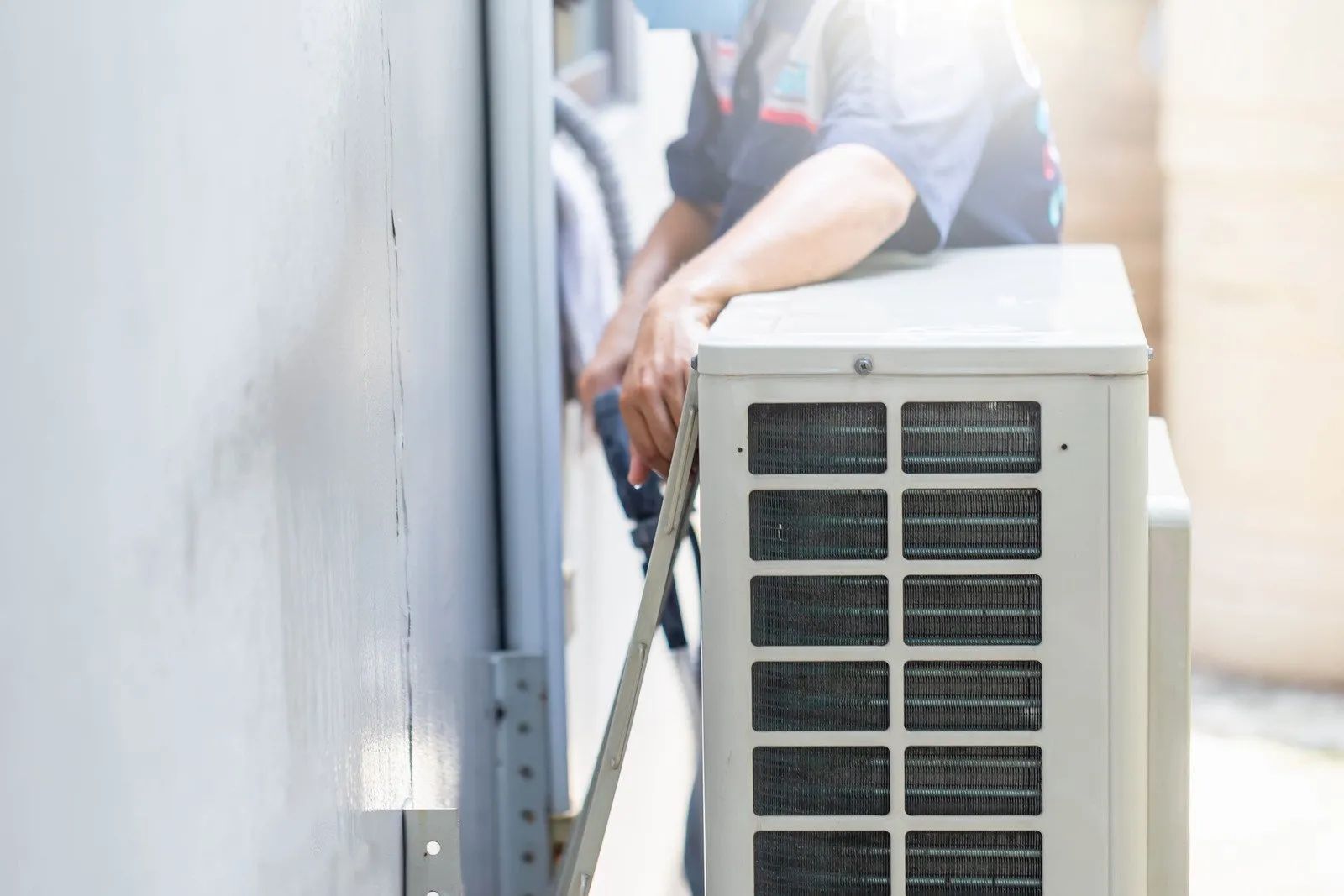
Air conditioning systems have become an essential component of modern homes and businesses, providing comfort and maintaining indoor air quality, especially during hot summer months.
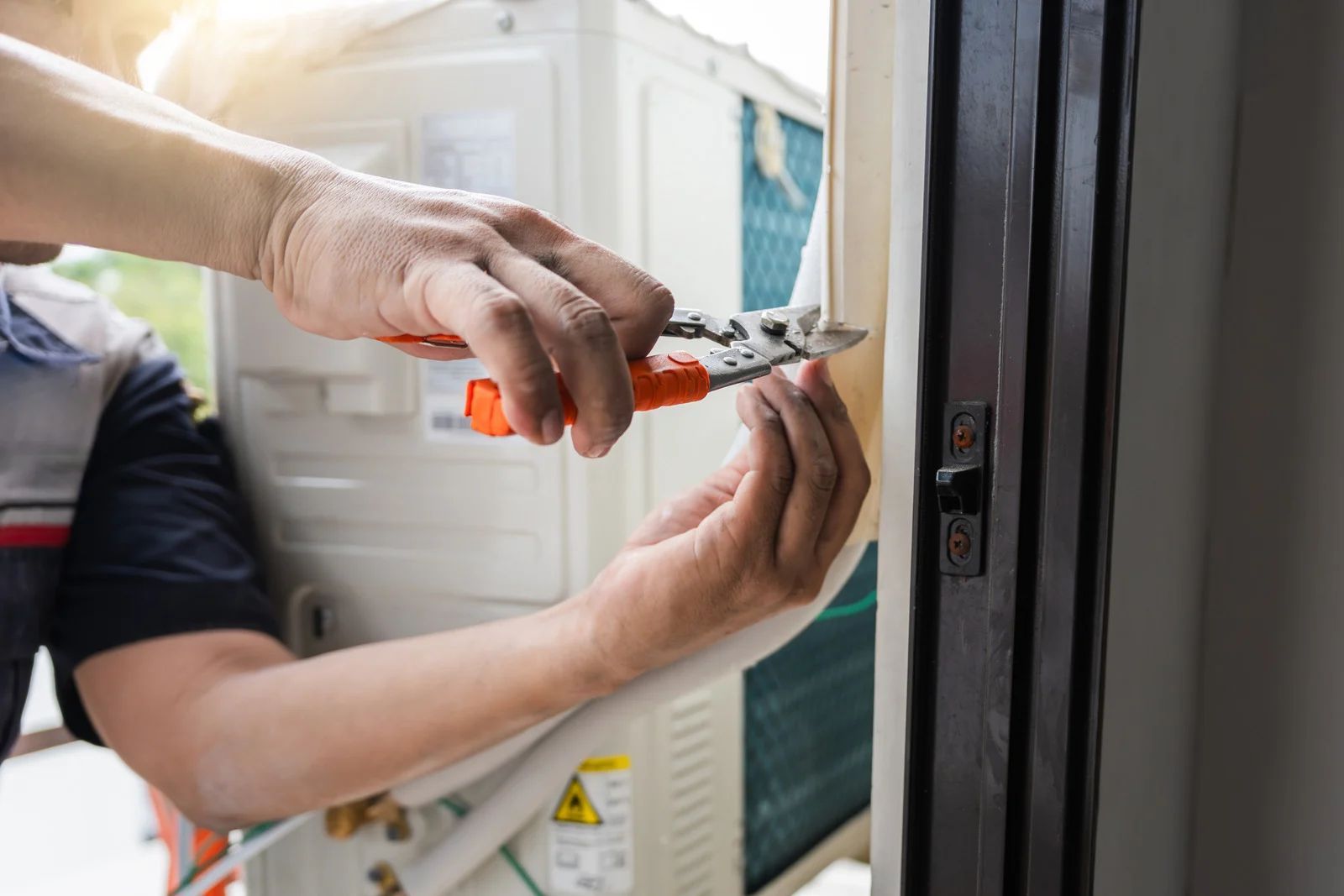
Investing in a high-quality heating, ventilation, and air conditioning (HVAC) system is one of the most significant decisions a homeowner can make. While it may be tempting to choose a lower-cost, DIY installation or hire unlicensed technicians, these short-term savings can quickly turn into long-term expenses.
Your home’s HVAC system is more than just a convenience—it’s the cornerstone of comfort, air quality, and energy efficiency. When it operates correctly, it keeps your indoor environment at an optimal temperature, balances humidity, and filters out airborne particles, ensuring your home is a safe and comfortable space. However, like any complex mechanical system, HVAC units are prone to wear and tear. Ignoring warning signs can lead to unexpected breakdowns, costly repairs, and even safety hazards. Recognizing the early indicators that your system needs immediate attention is crucial for preventing these issues and maintaining peak performance. Understanding when your HVAC system requires urgent intervention is not always straightforward. While some signs are obvious, such as a complete lack of airflow, others may be subtle, like unusual noises or fluctuating temperatures. Homeowners often overlook these warning signs until a minor problem escalates into a major failure. This guide explores the key signs that your HVAC system may be in distress, offering actionable insights to address issues promptly. By paying close attention to these indicators, you can protect your investment, maintain energy efficiency, and ensure a safe, comfortable environment for your family year-round.
