
Signs Your Home HVAC System Needs Immediate Attention
Your home’s HVAC system is more than just a convenience—it’s the cornerstone of comfort, air quality, and energy efficiency. When it operates correctly, it keeps your indoor environment at an optimal temperature, balances humidity, and filters out airborne particles, ensuring your home is a safe and comfortable space. However, like any complex mechanical system, HVAC units are prone to wear and tear. Ignoring warning signs can lead to unexpected breakdowns, costly repairs, and even safety hazards. Recognizing the early indicators that your system needs immediate attention is crucial for preventing these issues and maintaining peak performance.
Understanding when your HVAC system requires urgent intervention is not always straightforward. While some signs are obvious, such as a complete lack of airflow, others may be subtle, like unusual noises or fluctuating temperatures. Homeowners often overlook these warning signs until a minor problem escalates into a major failure. This guide explores the key signs that your HVAC system may be in distress, offering actionable insights to address issues promptly. By paying close attention to these indicators, you can protect your investment, maintain energy efficiency, and ensure a safe, comfortable environment for your family year-round.
1. Unusual Noises and Vibrations
Clanging, Banging, or Rattling Sounds
One of the first indications of a problem in your HVAC system is unusual noise. Clanging or banging sounds often suggest loose or broken components within your system, such as fan blades, belts, or internal hardware, which can worsen over time if ignored. Ignoring these sounds can result in further damage to the motor or compressor, leading to costly repairs or complete system failure sooner than expected. For example, a loose blower fan hitting the housing can damage both the fan and the surrounding ductwork, significantly reducing airflow efficiency throughout the home.
Hissing, Whistling, or Squealing
Hissing or whistling noises may indicate a refrigerant leak or air duct problem that requires immediate attention. Refrigerant leaks not only impair your system’s cooling capacity but also pose environmental and potential health hazards for your household. Squealing sounds, often caused by worn belts or motors, reduce system efficiency and dramatically increase energy bills over time. Detecting these issues early allows a trained technician to fix them promptly before they escalate into more serious problems.
Best Practices
Homeowners should schedule routine inspections and listen carefully for any deviations from the usual operating sounds of their HVAC system. Documenting the type, timing, and frequency of noises can help HVAC professionals diagnose issues accurately and efficiently, ensuring more reliable repairs and longer system lifespan.
2. Inconsistent Temperature or Poor Airflow
Uneven Heating or Cooling
If certain rooms in your home are noticeably warmer or cooler than others, it may indicate issues such as blocked ducts, failing thermostats, or malfunctioning zone controls, which can compromise comfort. Uneven temperatures not only affect comfort but also place strain on your system, increasing energy consumption and decreasing the overall lifespan of key components unnecessarily.
Weak Airflow
Weak airflow from vents is a serious warning sign that your system may be struggling. It may result from clogged air filters, duct obstructions, or failing blower motors. For instance, a partially blocked return duct can reduce airflow to key areas of the house, causing the system to work harder and operate far less efficiently.
Real-World Example
A homeowner may notice that upstairs bedrooms remain hot during summer while the living room stays cool. This scenario often results from airflow imbalance caused by closed, leaking, or improperly sized ducts. Addressing these problems early prevents long-term damage and ensures even, efficient heating and cooling throughout the entire home.
Best Practices
Regular maintenance, including cleaning and replacing air filters and inspecting ductwork, is essential for system efficiency. Advanced HVAC systems may benefit from professional balancing and calibration to optimize airflow and temperature consistency throughout the living spaces.
3. Rising Energy Bills
Unexpected Energy Spikes
A sudden increase in heating or cooling costs can signal HVAC inefficiency that requires immediate inspection. Components like compressors, fans, and thermostats may be malfunctioning, forcing the system to work harder than necessary to achieve the desired temperature.
Causes of High Energy Usage
Dirty filters, leaking ducts, failing compressors, or low refrigerant levels often contribute to increased energy consumption and operational stress. For example, a dirty evaporator coil reduces heat transfer efficiency, making the system work longer and use more electricity than usual, driving up costs.
Expert Insight
Monitoring your energy bills over time can help identify trends that indicate a struggling HVAC system. An unexplained spike should prompt a professional inspection immediately. Early detection of inefficiencies not only reduces utility costs but also prolongs the lifespan of your HVAC system components significantly.
Benefits of Early Intervention
Addressing energy inefficiencies promptly can improve system performance, reduce environmental impact, and prevent premature component failures. Regular maintenance contracts and check-ups can help homeowners avoid unexpected surprises and maintain predictable, cost-effective energy usage.
4. Strange Odors or Poor Indoor Air Quality
Musty or Moldy Smells
Persistent musty odors often indicate mold or mildew growth within the system or ductwork, which can compromise air quality over time. Moisture accumulation in the evaporator coil, condensation pan, or ducts can create a breeding ground for bacteria and mold, negatively affecting the overall indoor environment and health.
Burning or Electrical Smells
Burning smells are a serious red flag that should never be ignored. They may indicate electrical issues, overheating motors, or failing components that can pose significant fire hazards. Detecting these odors early is critical for household safety and avoiding more serious consequences.
Dust and Allergens
Excessive dust or allergen circulation can signal a clogged filter, duct leaks, or inadequate filtration. Poor air quality can exacerbate respiratory issues, allergies, and reduce overall comfort within your home if left untreated.
Best Practices
Routine inspection of filters, vents, and ductwork ensures clean airflow and prevents air contamination. Replacing filters on a regular schedule and addressing moisture issues immediately helps maintain both system efficiency and a healthier, more comfortable indoor environment.
5. Frequent System Cycling or Failure to Turn On
Short Cycling
Short cycling occurs when the system turns on and off rapidly, often indicating underlying problems. This may result from thermostat malfunctions, refrigerant imbalances, or electrical issues. Short cycling not only increases energy costs but also places excessive wear on system components, potentially causing permanent damage.
Complete System Shutdowns
Failure to turn on may be due to tripped breakers, blown fuses, or severe mechanical problems that require professional attention. Ignoring these symptoms can lead to complete system failure, leaving your home without heating or cooling during extreme weather conditions, which is dangerous and uncomfortable.
Real-World Scenario
Imagine waking up on a winter morning to a non-functional furnace. Such failures are often the culmination of neglected maintenance or undetected early warning signs. Immediate professional intervention can restore functionality quickly and prevent recurring issues from developing.
Expert Advice
Homeowners should not attempt DIY repairs for electrical or mechanical failures. Professional assessment ensures correct diagnosis, safe repair, and adherence to manufacturer specifications, avoiding further damage or safety risks.
6. Excessive Moisture or Ice Formation
Ice Buildup on Coils or Lines
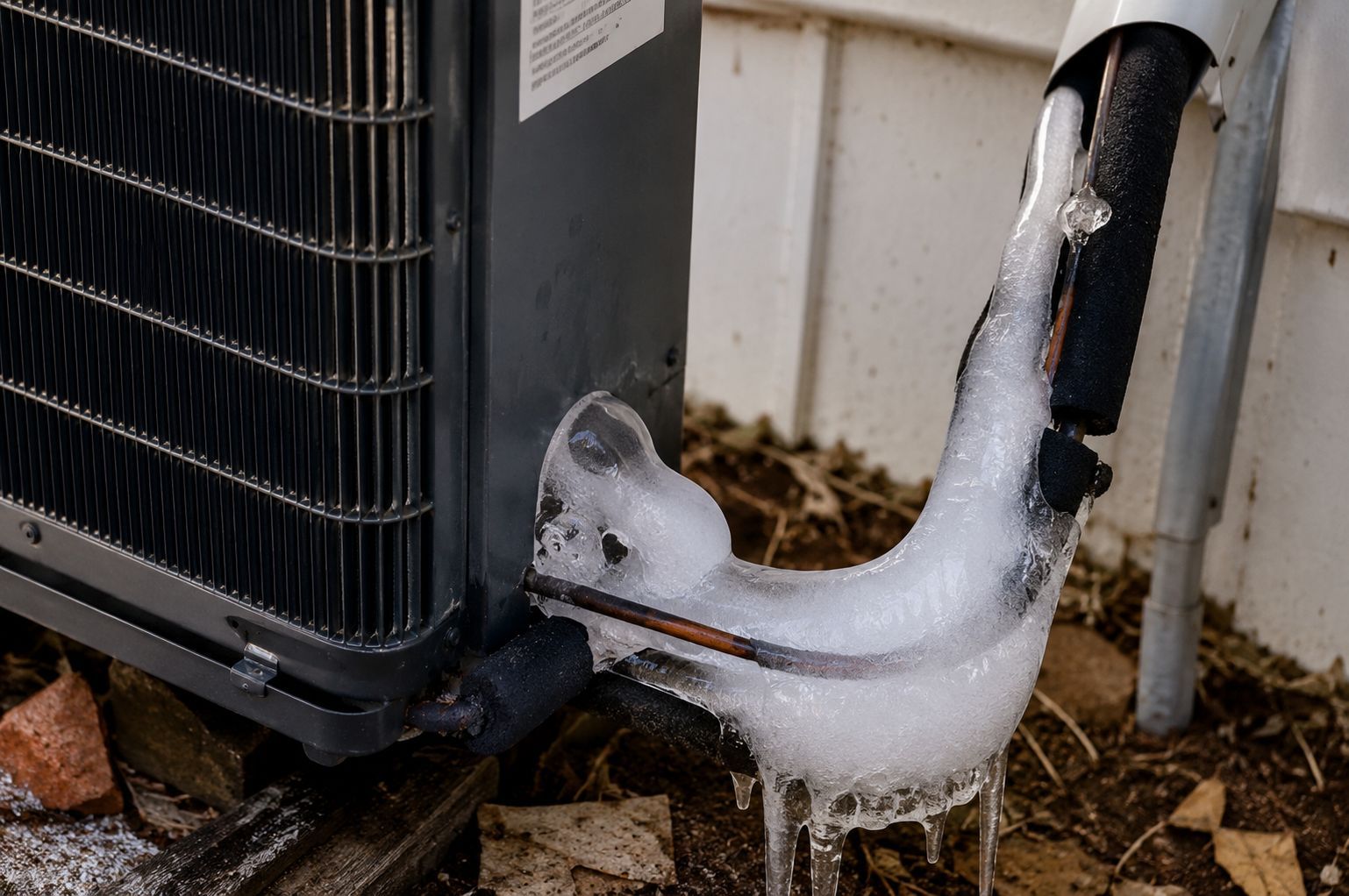
Ice accumulation on the evaporator coil or refrigerant lines signals airflow restrictions, low refrigerant levels, or dirty coils that require urgent attention. If left unaddressed, ice can damage the compressor and other components, leading to costly repairs or complete system failure.
Water Leaks or Condensation
Leaks around the indoor unit may indicate a clogged condensate drain or frozen coil, which can damage walls or flooring. Persistent water can cause structural damage, mold growth, and reduced HVAC efficiency, posing both financial and health risks.
Preventive Measures
Regular inspection of refrigerant levels, condensate drains, and coil cleanliness prevents moisture-related problems. Ensuring proper airflow, prompt repairs, and professional maintenance minimizes ice formation and water damage risks, protecting your home investment.
Benefits of Early Detection
Identifying moisture issues early protects your home from structural damage, improves indoor air quality, and extends system longevity. Timely repairs are far more cost-effective than major replacements and help maintain energy-efficient operation.
Expert Maintenance and Repairs for Home HVAC
Recognizing the signs that your HVAC system needs immediate attention is crucial for maintaining a safe, comfortable, and energy-efficient home. Unusual noises, inconsistent temperatures, rising energy bills, poor air quality, frequent cycling, and moisture problems all indicate that your system may be struggling. Addressing these issues early can prevent costly repairs, extend equipment life, and ensure the well-being of your household. Proactive maintenance, regular inspections, and professional interventions are essential strategies for any responsible homeowner.
At
Phoenix Home Services, LLC, we bring 25 years of expertise in providing reliable and efficient HVAC solutions to homeowners in Broomall, Pennsylvania. Our team of experienced technicians is dedicated to identifying problems early, offering tailored maintenance, repair, and replacement services that safeguard your comfort year-round. With a focus on quality, transparency, and customer satisfaction,
Phoenix Home Services ensures that your HVAC system operates at peak performance. Trust us to protect your home environment with professional, timely, and dependable care that only decades of experience can provide.