
What to Expect from a Professional Emergency HVAC Service
It is the coldest night of the year and your furnace just went silent. The vents are blowing cold air, the house is dropping a degree every twenty minutes, and your phone says it is barely above freezing outside. You are standing in the hallway deciding whether to wait until morning or pick up the phone right now. If you have a newborn, an elderly parent, or pipes that could freeze, that decision matters more than most people realize.
Here is the short answer. A true heating or cooling failure in extreme weather is worth a call right away, and a professional emergency HVAC service exists for exactly this moment. After years of walking into cold houses at two in the morning, we can tell you that the homeowners who act early almost always face smaller repairs than the ones who wait and hope the system kicks back on. This guide covers what to do in the first ten minutes, what a real emergency looks like, and what actually happens once help is on the way.
What to Do the Moment Your System Quits
Before you call anyone, run a few quick checks that take under five minutes and sometimes solve the problem outright. Confirm the thermostat is set to heat or cool and that its batteries are not dead. Check your electrical panel for a tripped breaker and reset it once. Replace the air filter if it looks gray and packed, since a blocked filter can shut a system down on its own. Make sure no vents are closed or covered by furniture. If the system still will not start, stop there.
WARNING: If you smell gas, sulfur, or burning, or if a carbon monoxide alarm sounds, leave the house immediately and call from outside. Do not flip switches, relight anything, or investigate yourself. These are genuine safety risks, not minor annoyances.
TIP:
Note exactly what the system is doing before you call. A unit that hums but will not start, clicks and shuts off, or trips a breaker each time tells us a very different story than one that is completely dead. That single detail often shortens the visit.
What Actually Counts as an Emergency
Not every HVAC problem needs a midnight visit, and knowing the difference saves you stress. A complete loss of heat when outdoor temperatures sit near or below freezing counts, because indoor temperatures can fall fast enough to threaten pipes and vulnerable people. A complete loss of cooling during a heat wave counts for the same reason, especially for infants and older adults. Any burning smell, sparking, or active carbon monoxide alarm is always urgent. A system that still runs but cycles oddly or struggles to hold temperature usually holds until morning. When you are unsure, describe the symptom out loud and let us help you judge it.
What Happens After You Call
When you call, the first thing we do is triage rather than simply book you a slot. We ask what the system is doing, what you have already checked, and whether anyone in the home is at risk, so the most urgent calls move to the front. Once a technician is dispatched, you should expect a realistic arrival window and a callback if conditions on the road change. On arrival, we confirm the symptom with you, then move straight into a structured inspection rather than guessing. A good emergency visit ends with you understanding what failed, why it failed, and what your options are before any work begins.
How We Diagnose the Failure
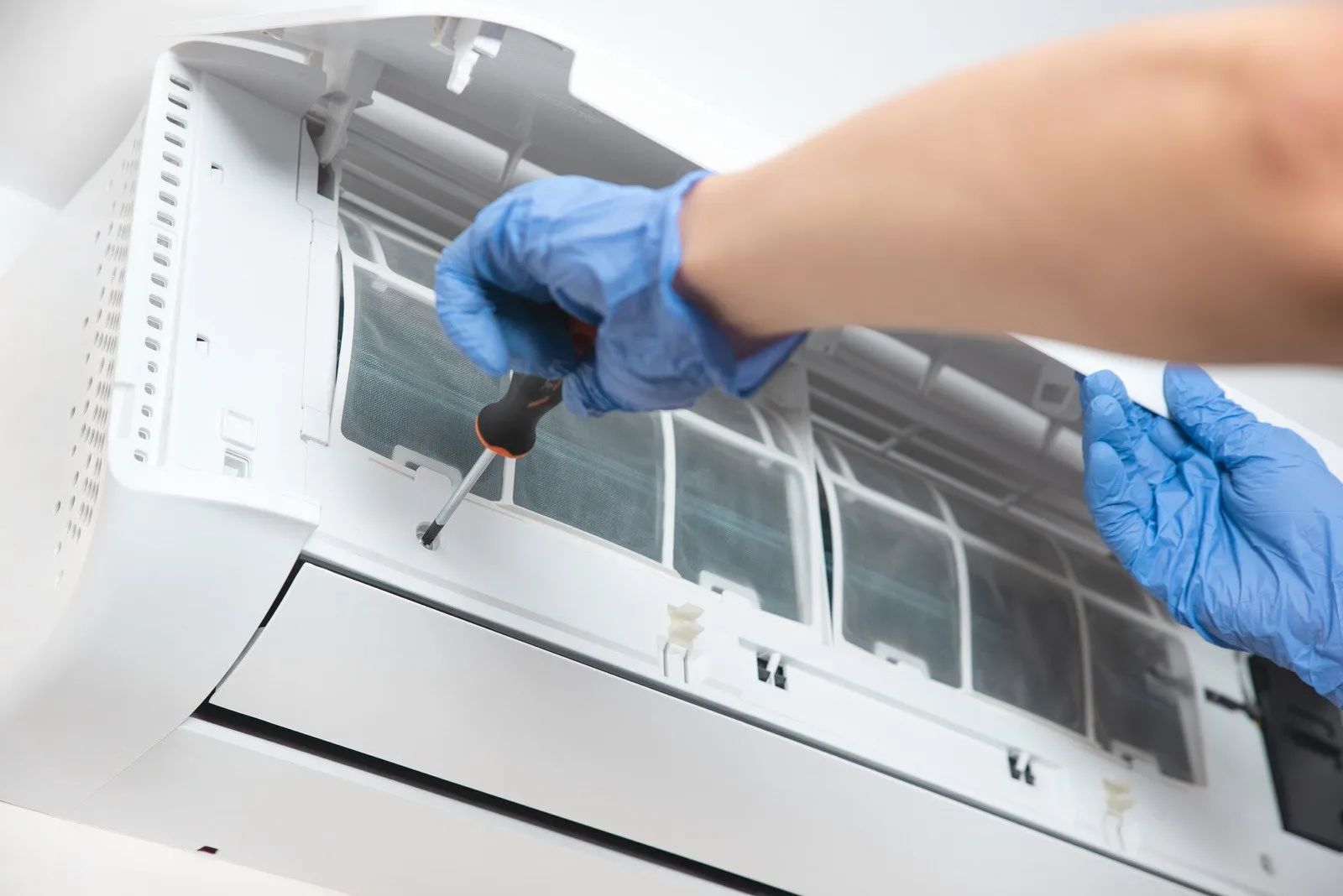
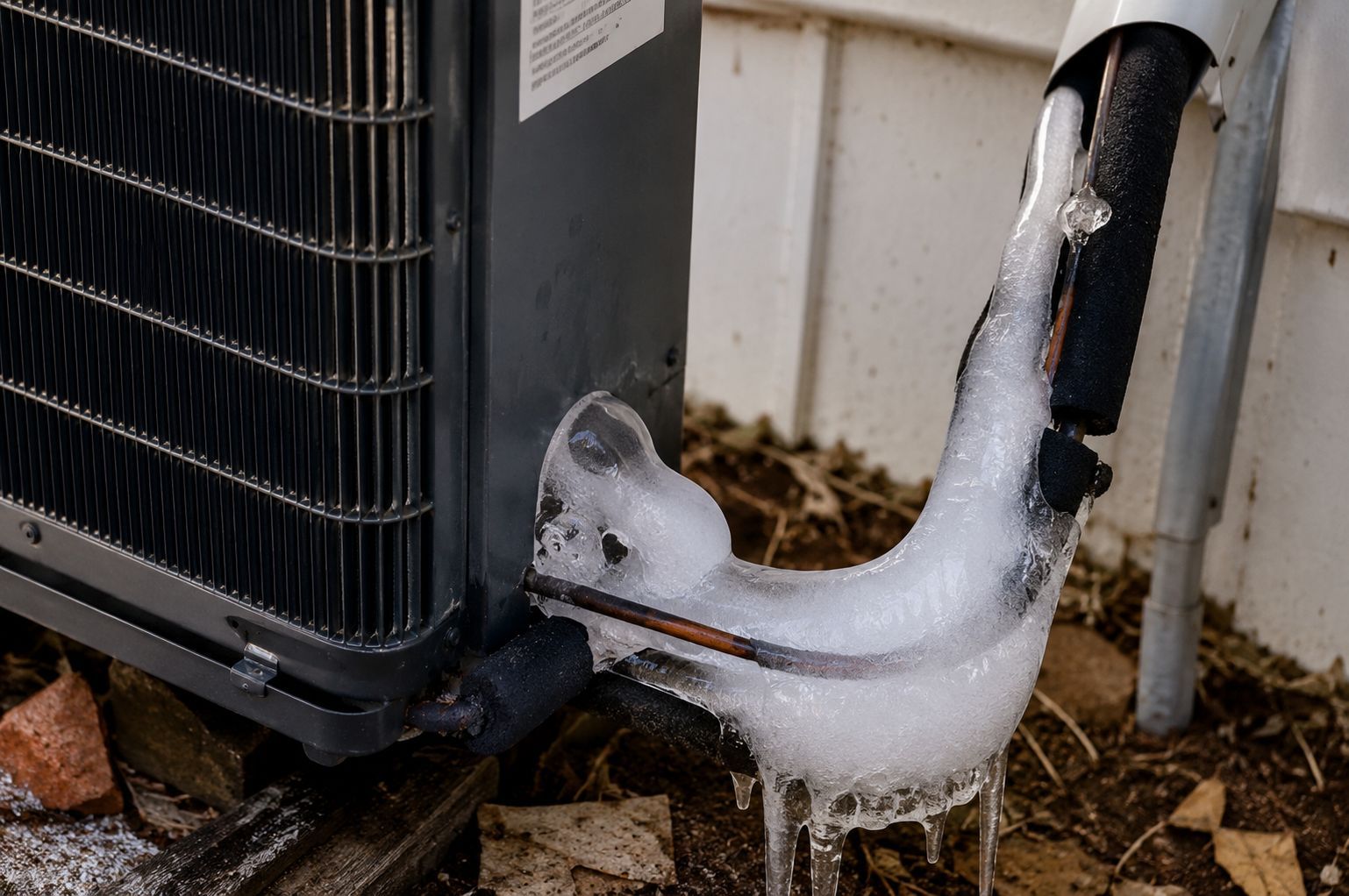
Diagnosis follows a deliberate order rather than a hunch. We start with power and safety, confirming voltage at the unit, checking the breaker, and inspecting the disconnect. Next we test the controls, including the thermostat signal, the control board, and any safety switches that may have shut the system down on purpose. From there we check the major components for the specific failure mode, whether that is an ignitor that will not glow, a swollen capacitor, a flame sensor coated in residue, or a frozen coil starving the system of airflow. We rely on a meter, a combustion analyzer where gas is involved, and our own hands to feel for the heat and vibration that point to the real cause.
The Repairs You Should Expect
Most emergency repairs fall into a handful of predictable categories, and you should expect a clear explanation of which one you are facing. The common quick fixes involve a failed capacitor, a worn ignitor, a dirty flame sensor, or a tripped safety that needs to be reset and traced back to its cause. These get heat or cooling running again the same visit. Deeper failures, such as a cracked heat exchanger, a seized blower motor, or a refrigerant leak, take longer and sometimes require a part to be ordered. A trustworthy technician tells you plainly which bucket your problem falls into and never inflates a small fix into a large one.
Repair or Replace After a Breakdown
Whether to repair or replace after a breakdown comes down to age, severity, and how often the system has already failed. A unit under ten years old with a single failed part is almost always worth repairing. Once a system passes the fifteen year mark and starts failing repeatedly through a single season, each repair buys less time than the last, and you are patching around a unit near the end of its life. A cracked heat exchanger or a compressor failure changes the math entirely, because those failures make replacement the safer path. Honest answer: sometimes a repair holds for years, and sometimes it masks a bigger failure. We will show you the evidence so you can decide.
Why These Failures Spike in Local Winters
Emergency breakdowns in this region cluster around the first hard freeze and the first real heat wave, and there is a mechanical reason for it. Furnaces sit idle through the mild fall, then get pushed to full output overnight when temperatures drop into the teens, and any weak ignitor, tired capacitor, or marginal flame sensor finally gives out under that sudden load. Many homes across the older Philadelphia suburbs run furnaces and ductwork that have weathered decades of seasonal swings, so parts are already near their limits before winter arrives. Humid summers add their own strain on capacitors and condensate drains. The busiest emergency nights almost always follow the first sharp swing in either direction.
Heading Off the Next Emergency
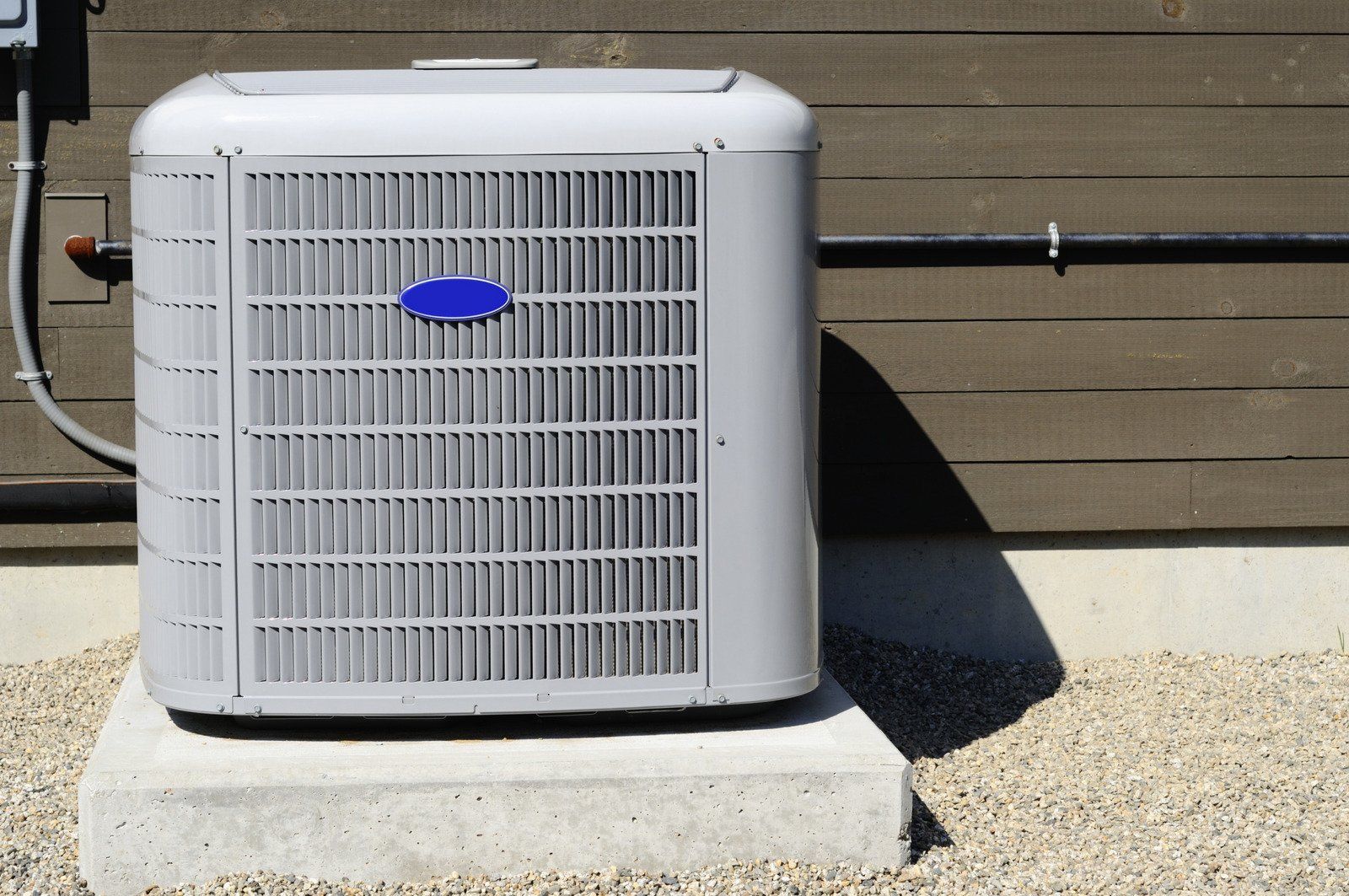
The best emergency call is the one you never have to make, and a little seasonal attention prevents most of them. Change your filter on a regular schedule, since a starved system is the most common cause of avoidable shutdowns we see. Book a heating check in early fall and a cooling check in early spring, before the first extreme stretch loads the system up. Keep the area around your outdoor unit clear of leaves and snow, and keep your supply and return vents open. The mistake we run into most is waiting. A small noise or a brief shutdown is easy to ignore, but those early signals usually mean a part is on its way out. Acting on the warning is far easier than acting on the failure.
Frequently Asked Questions
How fast can a professional reach my home during an emergency?
Arrival times depend on weather, demand, and your distance, but most genuine emergencies are reached within a few hours. During a regional cold snap, call early, since the busiest nights fill quickly and the first request in often gets the soonest window.
Is a no heat call really worth a nighttime visit?
If outdoor temperatures sit near or below freezing and your home is dropping fast, yes. Waiting risks frozen pipes and unsafe indoor conditions, especially with infants or elderly residents. A prompt call usually means a smaller repair than waiting until morning.
Should I keep my system running while I wait for help?
If you smell gas or burning, or a carbon monoxide alarm sounds, shut everything off and leave. Otherwise, turn the system off at the thermostat so it stops short cycling, which can worsen the failure before we arrive.
What information should I have ready when I call?
Tell us the exact symptom, what you already checked, the unit's rough age, and whether anyone in the home is at risk. A unit that hums, clicks, trips a breaker, or sits dead each points us toward a different cause.
Why do so many breakdowns happen on the same few nights here?
Most failures in this region land on the first hard freeze or the first heat wave. Idle systems get pushed to full load overnight, and any worn part finally quits under that sudden strain, which is why those nights stay so busy.
Knowledgeable Technicians Ready to Restore Your Comfort Fast
The core principle is simple: when heat or cooling fails in extreme weather, early action almost always means a smaller and safer repair. That matters more in this region than most, where the first hard freeze and the first humid heat wave push tired systems past their limit on the same handful of nights every year. With 25
years of experience, Phoenix Home Services, LLC
is ready to respond when you need professional emergency
HVAC service in Broomall, Pennsylvania. Call the moment your system fails, and let us get your home warm, safe, and comfortable again.