
Top Reasons HVAC Emergencies Happen and How to Avoid Them
Heating and cooling systems work quietly in the background for most homes and businesses, providing comfort during extreme temperatures and supporting healthy indoor environments throughout the year. Because HVAC systems operate daily and often continuously during peak seasons, many homeowners overlook early warning signs that indicate developing problems. Small issues such as unusual noises, weak airflow, rising energy bills, or inconsistent temperatures may appear minor at first, yet they often point to deeper mechanical concerns. When these problems remain unresolved, sudden HVAC emergencies can occur without warning, leaving families without heating during winter or cooling during extreme summer heat. Unexpected system failures also create financial stress, disrupt daily routines, and may even contribute to indoor air quality concerns or property damage.
HVAC emergencies have become increasingly common as systems age, maintenance gets delayed, and equipment faces heavier seasonal demands. Modern heating and cooling systems contain complex electrical, mechanical, and airflow components that require routine care to remain reliable. Understanding why HVAC emergencies happen helps homeowners take preventive action before costly breakdowns occur. From clogged filters and neglected maintenance to electrical malfunctions and refrigerant leaks, many emergency situations develop gradually over time. Learning how to identify risk factors, schedule proper inspections, and maintain system performance can help homeowners avoid unexpected repairs while improving energy efficiency, comfort, and long-term HVAC reliability.
Lack of Preventive HVAC Maintenance
Why Skipping Maintenance Creates Serious Problems
One of the most common reasons HVAC emergencies occur is the lack of regular system maintenance. Heating and cooling equipment experiences continuous wear as motors, belts, coils, electrical components, and airflow systems operate daily. Without inspections and tune-ups, small performance issues slowly grow into major failures. Dirty evaporator coils can restrict cooling performance, loose electrical connections may increase fire risks, and worn components often place additional strain on the entire system.
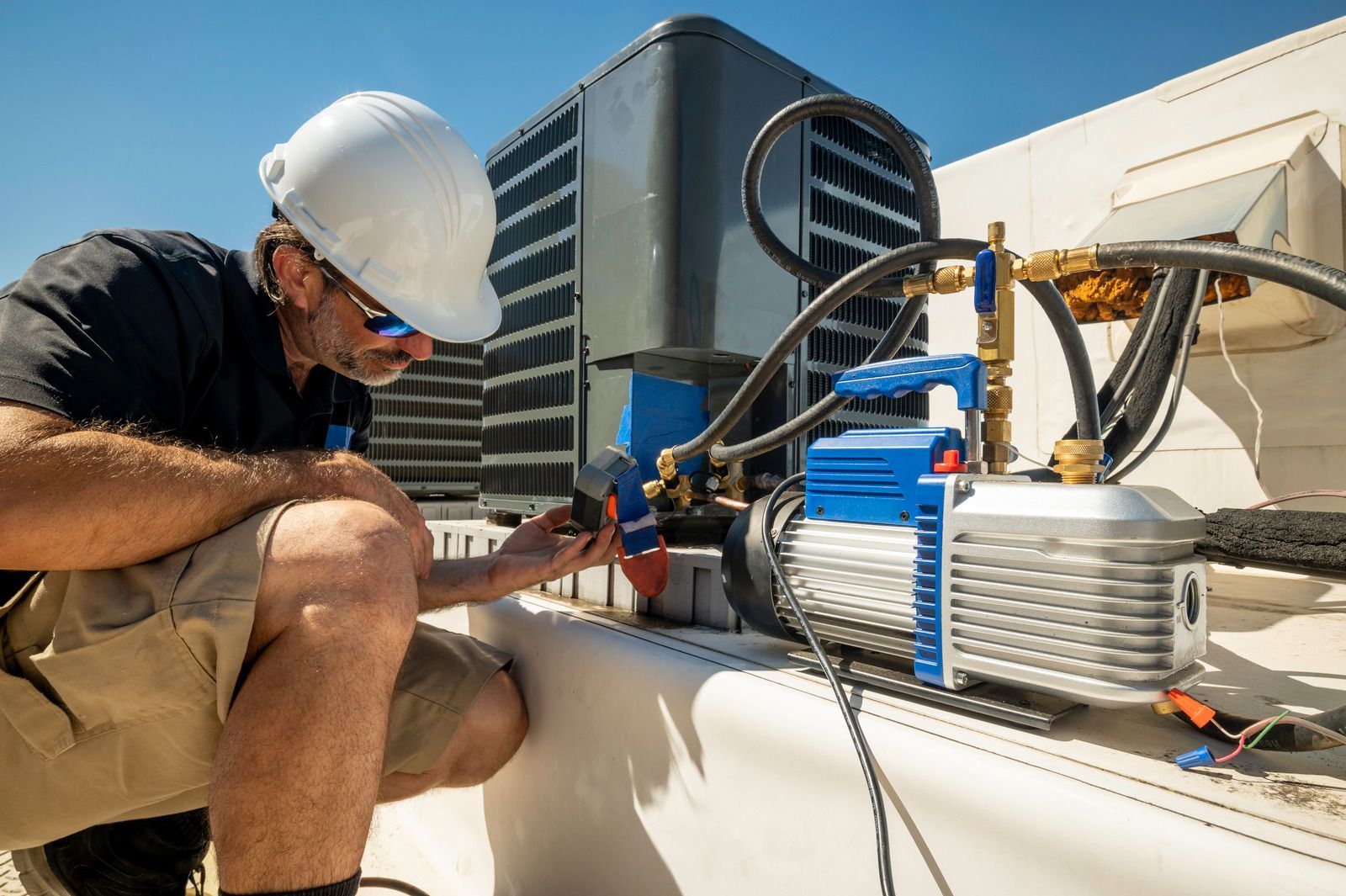
Many homeowners wait until a complete breakdown occurs before calling an HVAC professional. Unfortunately, delayed maintenance usually leads to higher repair costs and more extensive system damage. Seasonal tune-ups help identify developing problems before they become emergencies. Technicians can inspect refrigerant levels, test electrical systems, lubricate moving parts, and clean critical components during routine service visits.
Preventive Steps That Reduce Emergency Repairs
Preventive maintenance helps extend equipment lifespan while reducing unexpected shutdowns. Homeowners should schedule professional HVAC inspections at least twice per year, ideally before peak summer and winter seasons. Maintenance appointments improve system efficiency while reducing strain during heavy operation periods.
Additional preventive habits include:
- Replacing air filters every one to three months
- Monitoring thermostat performance
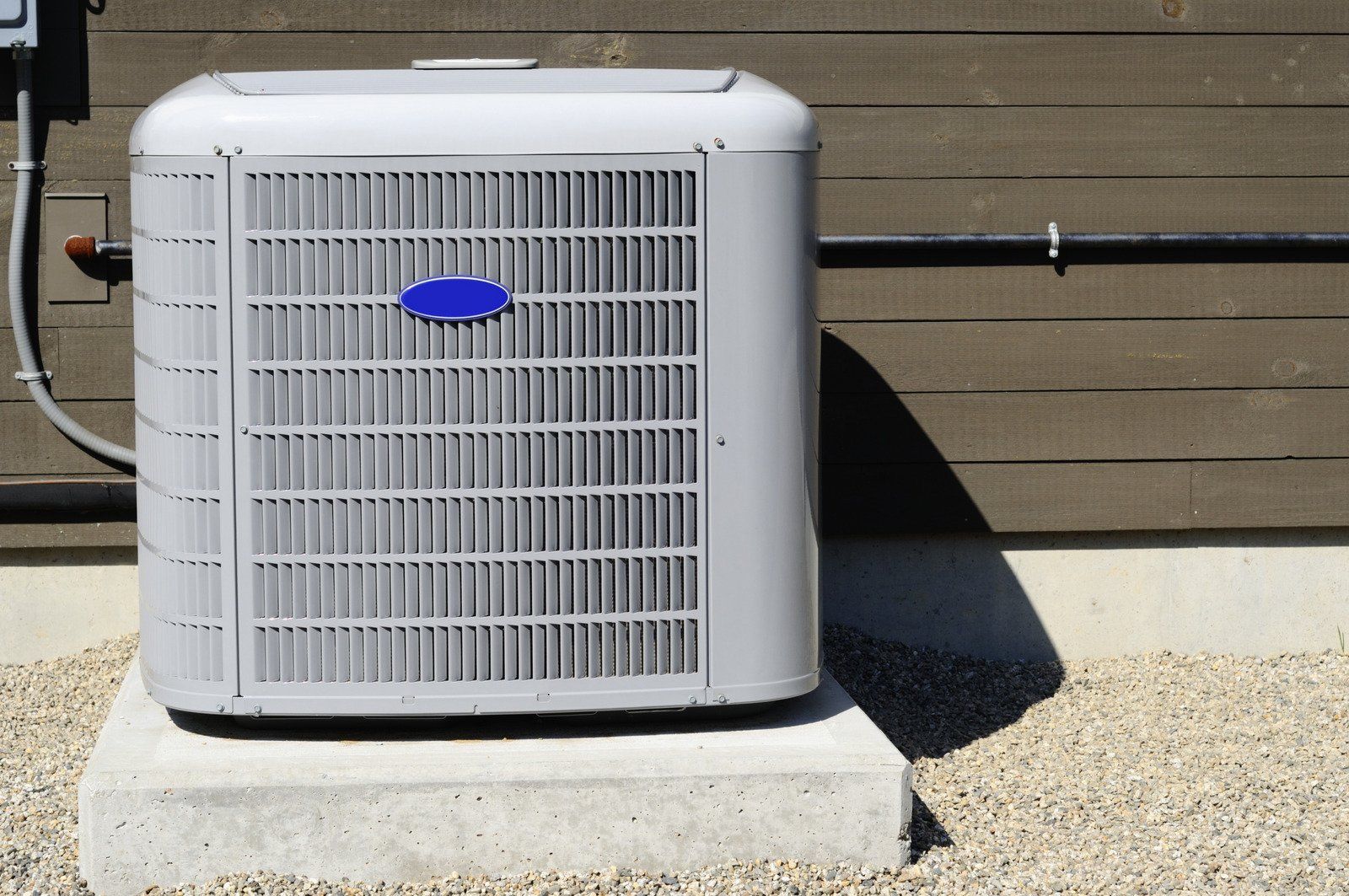
- Keeping outdoor condenser units clear of debris
- Checking vents for airflow obstructions
- Listening for unusual operational sounds
Routine care supports reliable performance and helps prevent expensive emergency service calls during extreme weather conditions.
Dirty Air Filters and Restricted Airflow
How Airflow Problems Damage HVAC Systems
Restricted airflow is another leading cause of HVAC emergencies. Air filters collect dust, dirt, pet hair, allergens, and airborne debris to protect HVAC components and improve indoor air quality. However, neglected filters eventually become clogged, forcing the system to work harder to circulate air throughout the property.
When airflow becomes restricted, HVAC systems experience increased internal pressure and overheating. Frozen evaporator coils, blower motor failures, and reduced cooling capacity often develop as airflow problems worsen. During extreme temperatures, restricted systems may fail completely because equipment cannot maintain safe operating conditions.
Blocked vents, closed registers, and dirty ductwork can also contribute to airflow imbalances. Poor airflow forces heating and cooling equipment to operate longer cycles, increasing energy consumption and accelerating equipment wear.
Practical Ways to Maintain Proper Airflow
Avoiding airflow-related emergencies requires consistent attention to HVAC ventilation systems. Homeowners should inspect filters regularly and replace them based on manufacturer recommendations and household conditions. Homes with pets, smokers, or allergy concerns may require more frequent filter changes.
Additional airflow protection strategies include:
- Keeping supply and return vents unobstructed
- Cleaning dust buildup around registers
- Scheduling periodic duct inspections
- Maintaining proper attic and home insulation
- Ensuring furniture does not block airflow pathways
Balanced airflow reduces stress on HVAC components and helps maintain stable indoor temperatures throughout the year.
Electrical Failures and Component Malfunctions
Why Electrical Issues Lead to HVAC Emergencies
HVAC systems rely heavily on electrical components to operate safely and efficiently. Capacitors, contactors, relays, circuit boards, motors, and wiring all work together to power heating and cooling functions. Over time, electrical parts can deteriorate because of age, moisture exposure, power surges, or overheating.
Electrical failures often develop silently before triggering sudden system shutdowns. Homeowners may notice flickering thermostats, tripped breakers, burning odors, buzzing sounds, or inconsistent cycling before complete failure occurs. Ignoring these warning signs increases the likelihood of emergency breakdowns and potential safety hazards.
Power fluctuations during storms or periods of high electrical demand can also damage HVAC equipment. Systems that lack surge protection may experience expensive component failures after sudden voltage spikes.
Protecting HVAC Systems from Electrical Damage
Preventing electrical HVAC emergencies requires early detection and professional inspections. Licensed HVAC technicians can test wiring connections, measure voltage levels, and identify overheating components before severe damage develops.
Homeowners can also reduce electrical risks by:
- Avoiding overloaded electrical circuits
- Installing surge protection devices
- Replacing outdated thermostats when necessary
- Monitoring breaker panel activity
- Addressing unusual smells or noises immediately
Quick action after noticing electrical irregularities can prevent larger system failures and improve household safety.
Refrigerant Leaks and Cooling Failures
The Impact of Refrigerant Problems
Air conditioning systems depend on refrigerant to absorb and transfer heat during the cooling process. When refrigerant leaks develop, HVAC systems struggle to maintain indoor temperatures and often experience serious operational strain. Low refrigerant levels force compressors to work harder, increasing the risk of overheating and compressor failure.
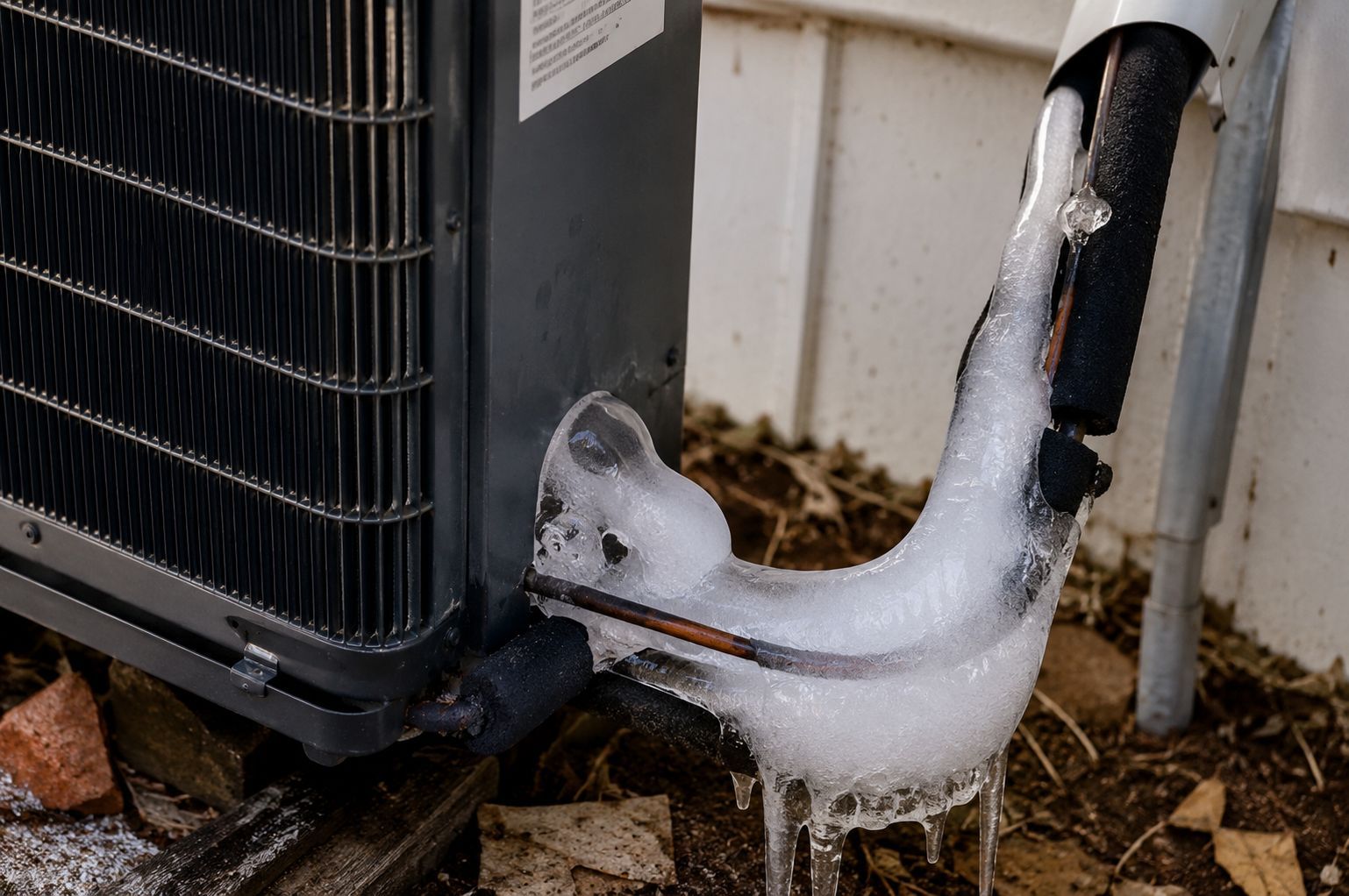
Refrigerant leaks may develop because of corroded coils, damaged lines, poor installation, or aging system components. Homeowners often notice reduced cooling performance, warm airflow, ice formation on refrigerant lines, or hissing sounds near HVAC equipment. Unfortunately, many people continue operating the system despite these symptoms, causing further damage.
Ignoring refrigerant issues can shorten equipment lifespan and increase energy bills substantially. Compressor replacement remains one of the most expensive HVAC repairs, making early refrigerant leak detection especially important.
How to Prevent Refrigerant-Related Emergencies
Professional inspections remain the best defense against refrigerant-related HVAC emergencies. HVAC technicians can identify leaks, repair damaged lines, and restore refrigerant levels according to manufacturer specifications.
Homeowners should also:
- Monitor cooling performance regularly
- Report unusual temperature changes quickly
- Schedule inspections when ice buildup appears
- Avoid operating systems with visible refrigerant issues
- Replace aging systems before repeated leaks occur
Addressing refrigerant problems early helps preserve cooling efficiency while preventing major equipment damage.
Thermostat Problems and System Communication Failures
Why Thermostat Issues Trigger Emergencies
Thermostats serve as the communication center for HVAC systems, controlling temperature settings, operating cycles, and system responsiveness. When thermostats malfunction, heating and cooling equipment may receive incorrect signals or fail to operate entirely. Although thermostat problems may seem minor, they can lead to major HVAC emergencies if ignored.
Common thermostat issues include inaccurate temperature readings, dead batteries, faulty wiring, outdated programming, or calibration problems. Smart thermostats may also experience software errors or connectivity disruptions that interfere with HVAC performance.
A malfunctioning thermostat can cause systems to short cycle, run continuously, or fail to activate during extreme temperatures. Continuous operation places unnecessary strain on HVAC equipment and increases energy costs.
Maintaining Reliable Thermostat Performance
Preventing thermostat-related HVAC failures starts with routine testing and updates. Homeowners should monitor indoor temperature consistency and confirm that thermostat settings respond properly to adjustments.
Helpful maintenance practices include:
- Replacing thermostat batteries regularly
- Cleaning dust buildup around thermostat sensors
- Updating programmable thermostat settings seasonally
- Checking wiring connections during HVAC inspections
- Upgrading outdated thermostat systems when needed
Modern programmable and smart thermostats can improve energy efficiency and provide early alerts when system irregularities occur.
Experienced HVAC Professionals Protecting Your Indoor Comfort
HVAC emergencies rarely happen without warning. In many cases, system failures develop gradually through neglected maintenance, restricted airflow, electrical issues, refrigerant leaks, thermostat malfunctions, or excessive seasonal strain. Recognizing these warning signs early allows homeowners to address small problems before they become major disruptions. Preventive maintenance, routine inspections, and prompt repairs remain the most reliable ways to protect heating and cooling systems from unexpected breakdowns. Taking proactive steps not only improves system performance but also supports better energy efficiency, indoor comfort, and equipment longevity.
For homeowners seeking dependable HVAC solutions, Phoenix Home Services, LLC
continues to provide trusted heating and cooling services backed by 25
years of industry experience. Serving homeowners throughout Broomall, Pennsylvania, our approach focuses on preventive maintenance, accurate diagnostics, emergency repairs, and long-term system reliability. We understand how stressful unexpected HVAC failures can become, especially during severe weather conditions when comfort and safety matter most. Our experience allows us to identify developing issues early, helping homeowners avoid expensive breakdowns and unnecessary disruptions. From seasonal tune-ups and airflow inspections to complete system repairs and replacements, we prioritize honest recommendations, quality workmanship, and dependable customer care. HVAC systems represent a major investment for every property owner, which is why professional service and preventive attention remain essential for long-term performance.