
The Ultimate Seasonal Checklist for Your Air Conditioner
Maintaining your air conditioner (AC) throughout the year is essential for ensuring reliable performance, energy efficiency, and longevity. Seasonal changes place varying demands on your AC system, which can lead to decreased efficiency, unexpected breakdowns, or higher energy bills if routine maintenance is neglected. Homeowners often underestimate the importance of a systematic approach to seasonal upkeep, but a proactive plan can prevent minor issues from escalating into costly repairs. By adhering to a comprehensive seasonal checklist, you can keep your AC operating smoothly, maintain a comfortable indoor climate, and extend the life of the system.
As summer and winter extremes approach, preparing your AC for each season is not just about comfort—it’s also about protecting your investment. A well-maintained unit consumes less energy, reduces environmental impact, and improves indoor air quality, contributing to healthier living spaces. For homeowners and property managers, establishing a clear, actionable seasonal maintenance routine ensures peace of mind and reliable climate control year-round. This blog provides a detailed, expert-backed seasonal checklist for your air conditioner, highlighting preventive measures, inspections, and tasks to maximize efficiency and performance, helping you stay ahead of potential problems and avoid unnecessary expenses.
Spring Preparation: Ready Your AC for Warmer Days
Inspect and Clean Air Filters
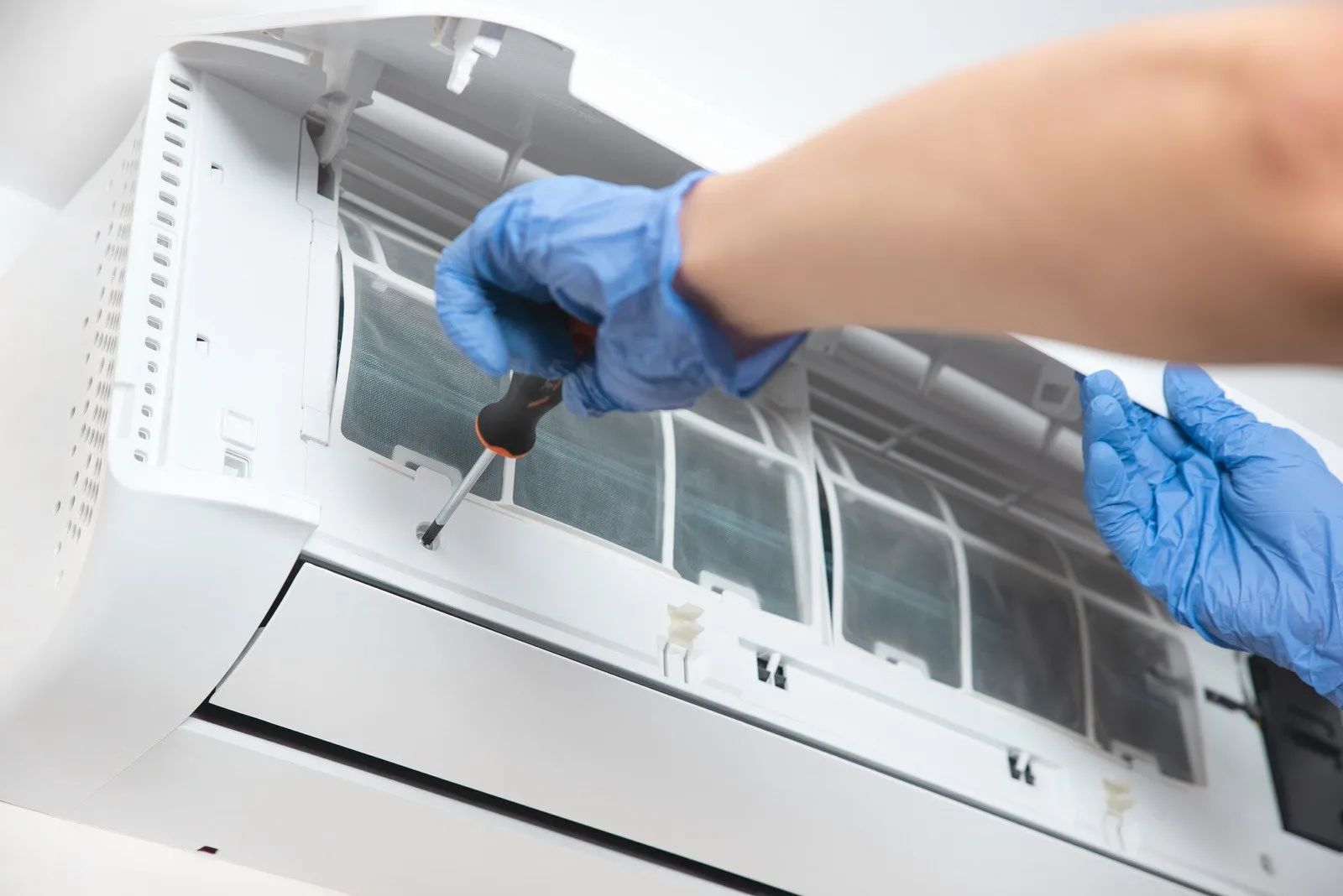
Air filters are the first line of defense against dust, pollen, and other airborne particles. Over time, clogged filters reduce airflow, strain the system, and diminish cooling efficiency. For spring, inspect your AC filters carefully. Replace disposable filters or clean reusable ones to ensure optimal performance. Experts recommend checking filters monthly during heavy-use periods, particularly in pollen-heavy regions.
Example: Homeowners who skipped filter maintenance in spring often notice higher energy bills by mid-summer due to restricted airflow, even if the unit seems to be operating normally.
Examine the Condenser Unit
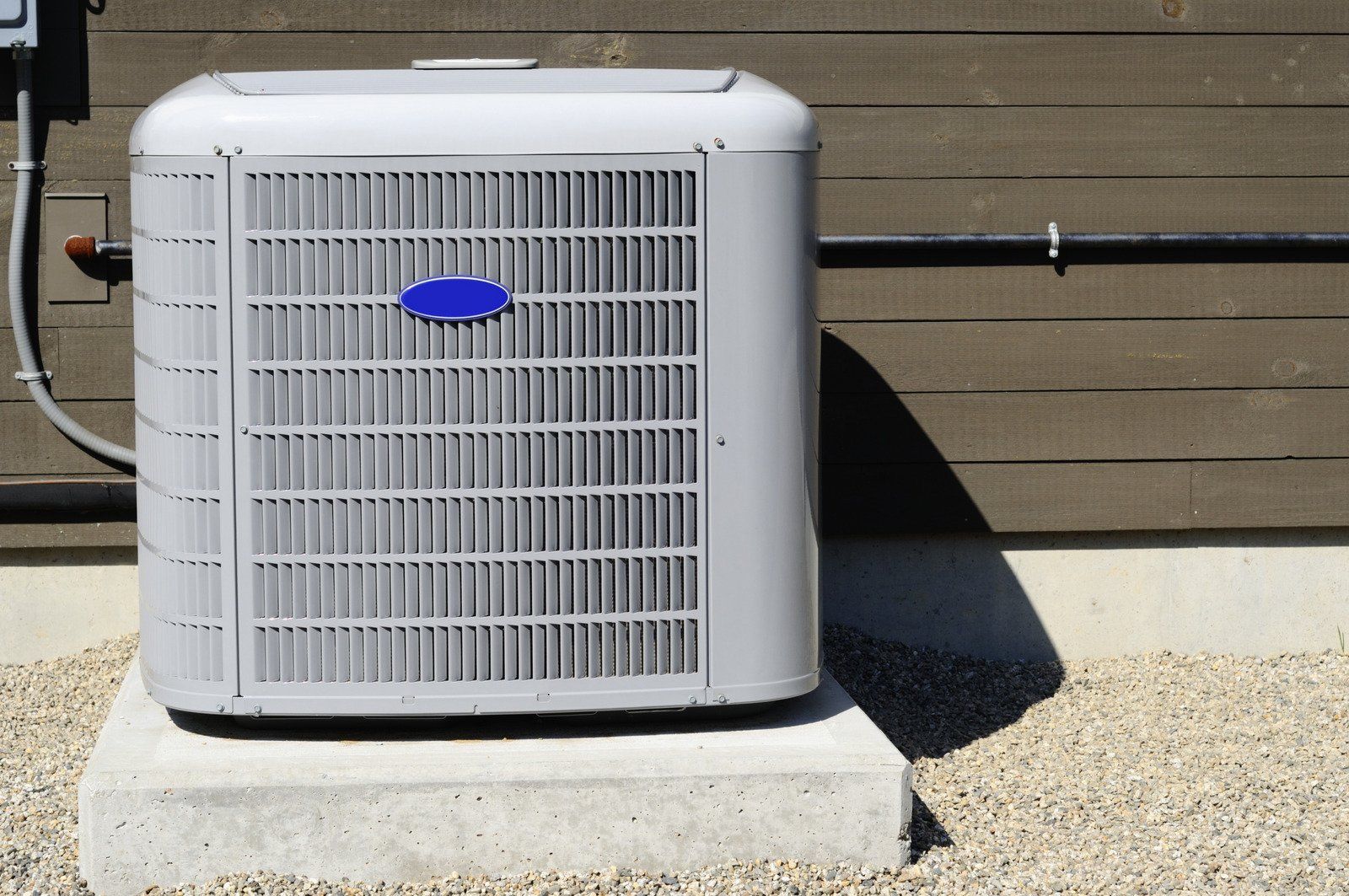
The outdoor condenser unit can accumulate leaves, debris, or dirt during winter. Inspect the surrounding area for obstructions and clear any debris. Check condenser coils for dirt buildup, which reduces heat transfer efficiency. Lightly hose down the coils if necessary, avoiding high-pressure sprays that could damage the fins.
Best Practice: Trim plants or shrubs at least two feet from the unit to maintain proper airflow and prevent unnecessary strain on the system.
Test Thermostat Settings
Ensure your thermostat is functioning properly and accurately reflecting indoor temperatures. Consider upgrading to a programmable or smart thermostat to improve seasonal efficiency. Proper thermostat calibration prevents overcooling and reduces energy consumption.
Scenario: A miscalibrated thermostat may run the AC longer than needed, significantly increasing electricity costs while failing to maintain consistent indoor comfort.
Summer Readiness: Maximizing Efficiency and Comfort
Check Refrigerant Levels
Refrigerant is essential for cooling efficiency, and low levels often indicate leaks. Schedule a professional inspection to measure refrigerant and address leaks promptly. Running the system with low refrigerant strains the compressor, potentially leading to costly damage.
Expert Insight:
Technicians recommend annual refrigerant checks during the first summer use, especially in older systems, to avoid mid-season failures.
Inspect Electrical Connections
Electrical components, including capacitors, relays, and wiring, can deteriorate over time. Loose or damaged connections increase the risk of system failure or fire hazards. A licensed professional should examine these components for safety and reliability.
Tip: Even minor electrical issues, if ignored, can lead to complete AC shutdown during peak summer heat, leaving homeowners without cooling when they need it most.
Optimize Airflow
Ensure that vents and registers are unobstructed by furniture, curtains, or other items. Check ductwork for leaks or disconnected sections, as these reduce cooling efficiency and increase energy costs. Sealing leaks with mastic or metal tape ensures optimal airflow throughout your home.
Scenario: Homes with duct leaks often experience uneven cooling, causing the thermostat to overcompensate and increase energy use.
Clean and Inspect the Evaporator Coil
The indoor evaporator coil collects dust and moisture, which can impair cooling and foster mold growth. Professional coil cleaning improves heat exchange and indoor air quality. While cleaning the coil, check the condensate drain for clogs to prevent water damage or microbial buildup.
Fall Preparation: Transitioning to Cooler Weather
Reverse HVAC Components if Applicable
For homes using a heat pump, fall is the time to switch to heating mode and inspect system components. Check for wear or damage on reversing valves, motors, and controls to ensure a smooth transition from cooling to heating.
Inspect and Clean Ductwork
Fall maintenance is ideal for a thorough duct inspection. Dust, insulation fragments, or pest activity may obstruct airflow. Clean ducts as needed to ensure the system operates efficiently throughout winter. This also prevents allergens from circulating indoors.
Expert Tip: Sealing leaks and insulating ductwork in unconditioned spaces can reduce heating and cooling costs by up to 20%.
Evaluate System Efficiency
Assess the AC’s overall performance by monitoring energy bills and comfort levels. If performance declines, schedule a professional service before winter to address potential issues, such as worn-out belts, failing motors, or clogged coils.
Winter Maintenance: Preparing for Low-Use Periods
Clean and Cover the Condenser Unit
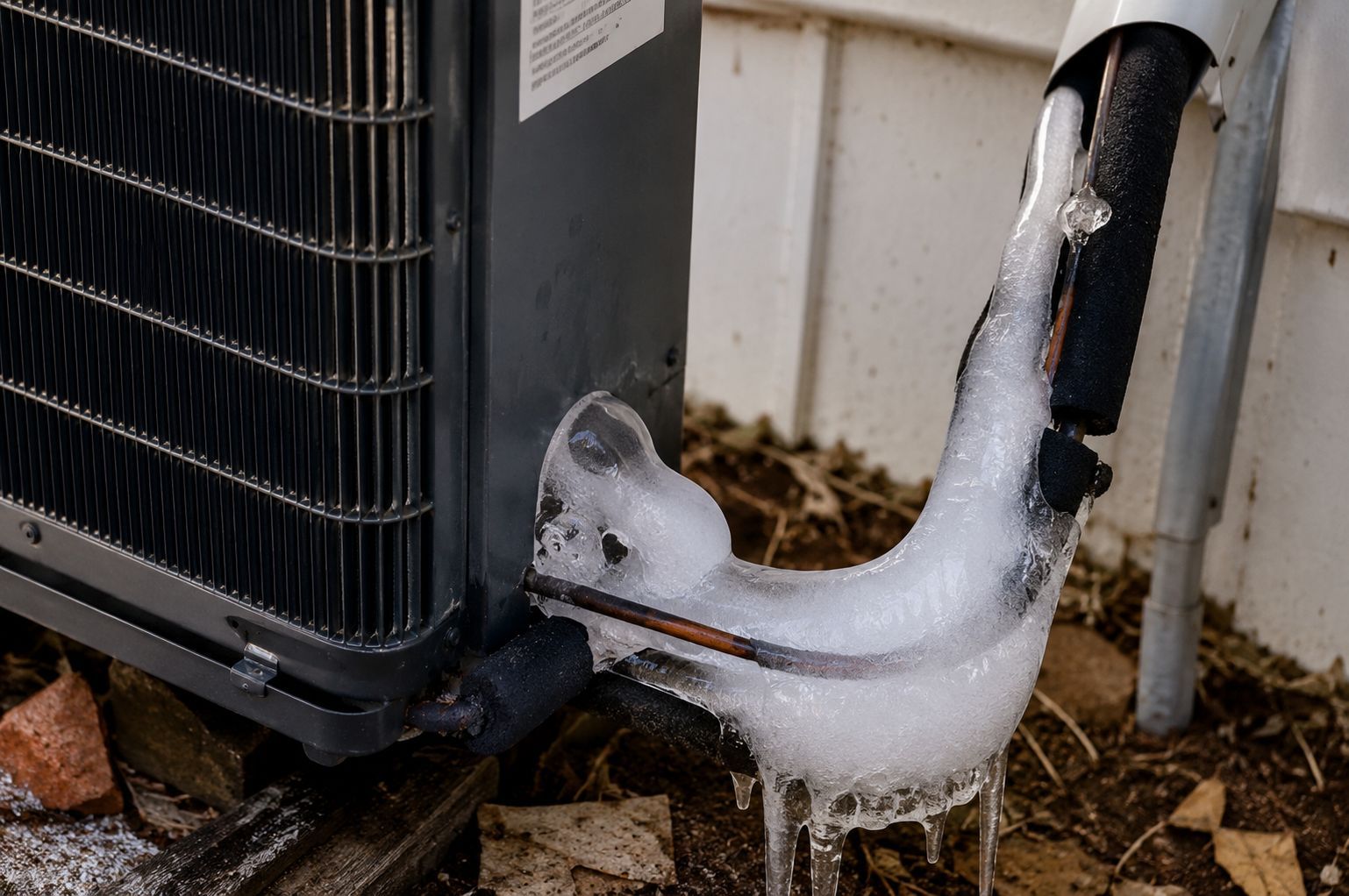
In regions with harsh winters, protecting the outdoor condenser unit is crucial. Remove debris, clean the unit, and cover it with a breathable protective cover to prevent snow or ice buildup. Avoid airtight covers that trap moisture, which can cause corrosion or mold growth.
Inspect Indoor Components
Even when the AC is not in active use, inspect indoor components for dust accumulation, electrical wear, or loose connections. Ensuring the system remains in good condition during downtime prevents spring startup issues.
Perform a Soft Run Test
Run the system briefly during winter to ensure that all moving parts operate smoothly. This also helps lubricate motors and prevent stiffness or wear caused by inactivity.
Scenario: Homeowners who skip winter maintenance often face noisy, underperforming systems when summer arrives.
Year-Round Best Practices for AC Longevity
Schedule Professional Maintenance
Even with diligent DIY upkeep, annual professional inspections are essential. Technicians can identify hidden problems, perform precise calibrations, and handle tasks like refrigerant testing, electrical inspections, and coil cleaning.
Example: A mid-size home in Pennsylvania experienced recurring compressor failures due to minor refrigerant leaks. Annual professional maintenance caught the issue early, saving over $2,000 in repairs.
Monitor Energy Usage
Tracking energy consumption can reveal subtle inefficiencies. Sudden spikes may indicate filter clogging, duct leaks, or refrigerant issues. Energy monitoring provides actionable data for targeted maintenance.
Upgrade Aging Systems
If your AC unit is over 10–15 years old, seasonal maintenance may not prevent escalating inefficiency. Consider evaluating replacement options for modern, energy-efficient systems, which provide long-term cost savings and improved comfort.
Common Seasonal AC Challenges and How to Address Them
Debris and Blockages
Outdoor units are prone to debris accumulation. Fallen leaves, pollen, and dirt can block airflow and strain the system. Regular cleaning and clearance around the unit prevent costly wear and tear.
Refrigerant Leaks
Low refrigerant reduces cooling efficiency and can damage the compressor. Detect leaks promptly through professional inspections and repair them immediately. Avoid DIY refrigerant handling, as improper management is hazardous and illegal in many regions.
Electrical Wear and Tear
Loose wiring, worn capacitors, or faulty relays can lead to sudden breakdowns. Annual professional checks help prevent emergency repairs and ensure system safety.
Uneven Cooling or Heating
Duct leaks, dirty filters, and obstructed vents often cause uneven indoor temperatures. Regular duct inspection and sealing improve comfort and energy efficiency.
Mold and Air Quality Issues
Neglected evaporator coils, clogged drains, or dirty filters can foster mold growth, affecting indoor air quality. Cleaning coils and filters, and ensuring proper condensate drainage, prevents microbial buildup and improves health outcomes.
Actionable Tips for Homeowners
Create a Seasonal Calendar
Mark filter replacements, coil cleaning, and professional inspections on your calendar to ensure nothing is overlooked.
Keep Records
Document maintenance activities, inspections, and repairs. This helps technicians track patterns and prevents repeat issues.
Invest in Quality Filters
High-efficiency filters trap more particles and protect both the AC system and indoor air quality.
Monitor Thermostat Settings
Adjusting temperature gradually reduces strain on the system, especially during seasonal transitions.
Know Your System
Understand the age, type, and capacity of your AC unit. This knowledge informs maintenance priorities and replacement decisions.
Example: A homeowner who maintained an organized seasonal checklist reported a 15% reduction in energy bills over two years and avoided emergency repairs during peak summer months.
Reliable Home Cooling Support from Phoenix Home Professionals
Maintaining your air conditioner according to a structured seasonal checklist ensures reliable performance, energy efficiency, and long-term cost savings. From spring cleaning and filter inspections to summer efficiency optimization, fall duct evaluation, and winter downtime preparation, proactive care prevents breakdowns and enhances indoor comfort. By combining professional services with routine homeowner maintenance, minor issues can be detected early, saving time and money while prolonging the system’s lifespan.
Phoenix Home Services, LLC, based in Broomall, Pennsylvania, has over 25
years of experience providing expert HVAC maintenance and installation services. Our team understands the importance of seasonal AC care and helps homeowners implement comprehensive maintenance routines tailored to their systems. We prioritize efficiency, reliability, and safety, ensuring that your air conditioning performs optimally year-round. With our trusted expertise, you can enjoy a comfortable home environment, reduce energy costs, and avoid costly repairs. Rely on Phoenix Home Services, LLC
to keep your AC in peak condition, season after season.