
Why Regular AC Maintenance Prevents Costly Breakdowns
Air conditioning systems have become an essential component of modern homes and businesses, providing comfort and maintaining indoor air quality, especially during hot summer months. Yet, despite their critical role, many property owners overlook the importance of routine maintenance. When left unchecked, minor issues can escalate into significant problems, leading to unexpected breakdowns, expensive repairs, and a reduced lifespan for the unit. Understanding the connection between regular maintenance and system reliability is crucial for homeowners and business managers alike.
Regular AC maintenance goes beyond simply changing filters. It encompasses a series of inspections, cleaning tasks, and adjustments designed to keep the system operating efficiently. From checking refrigerant levels to inspecting electrical components, maintenance ensures every part of the system functions correctly. By proactively addressing small issues, property owners can avoid emergency service calls and prevent disruptions during peak usage periods. In addition, a well-maintained AC system consumes less energy, providing savings on utility bills while delivering optimal cooling performance. This article explores the tangible benefits of regular AC maintenance, offering actionable insights for homeowners who want to protect their investment, avoid costly repairs, and enjoy consistent comfort year-round.
The Financial Impact of Neglecting AC Maintenance
Hidden Costs of Ignoring Routine Checks
Many homeowners underestimate the financial consequences of skipping routine AC maintenance. While a quick annual inspection may seem like an unnecessary expense, the cost of emergency repairs far outweighs routine service fees. Systems that are not regularly maintained often face issues such as refrigerant leaks, clogged filters, or worn-out components. Left unresolved, these problems can lead to total system failure, forcing homeowners to pay thousands for replacements rather than hundreds for preventive maintenance.
Energy Inefficiency and Rising Bills
A poorly maintained air conditioner operates less efficiently, consuming more electricity to achieve the same level of cooling. Dust, dirt, and debris in the coils or filters reduce airflow and strain the compressor, which can increase energy consumption by up to 30%. Over a year, this inefficiency translates into significantly higher utility bills. Regular maintenance ensures that all components function smoothly, promoting energy-efficient operation and reducing the overall financial burden of cooling your property.
Real-World Example
Consider a homeowner who neglects maintenance for three consecutive summers. The system’s condenser coils become clogged, the refrigerant charge drops, and the compressor begins to overwork. By the fourth summer, the AC fails entirely. An emergency replacement might cost $5,000 or more, compared to an annual maintenance plan costing $150–$300, which could have prevented the failure altogether.
Key Components Checked During Routine AC Maintenance
Air Filters and Indoor Coils
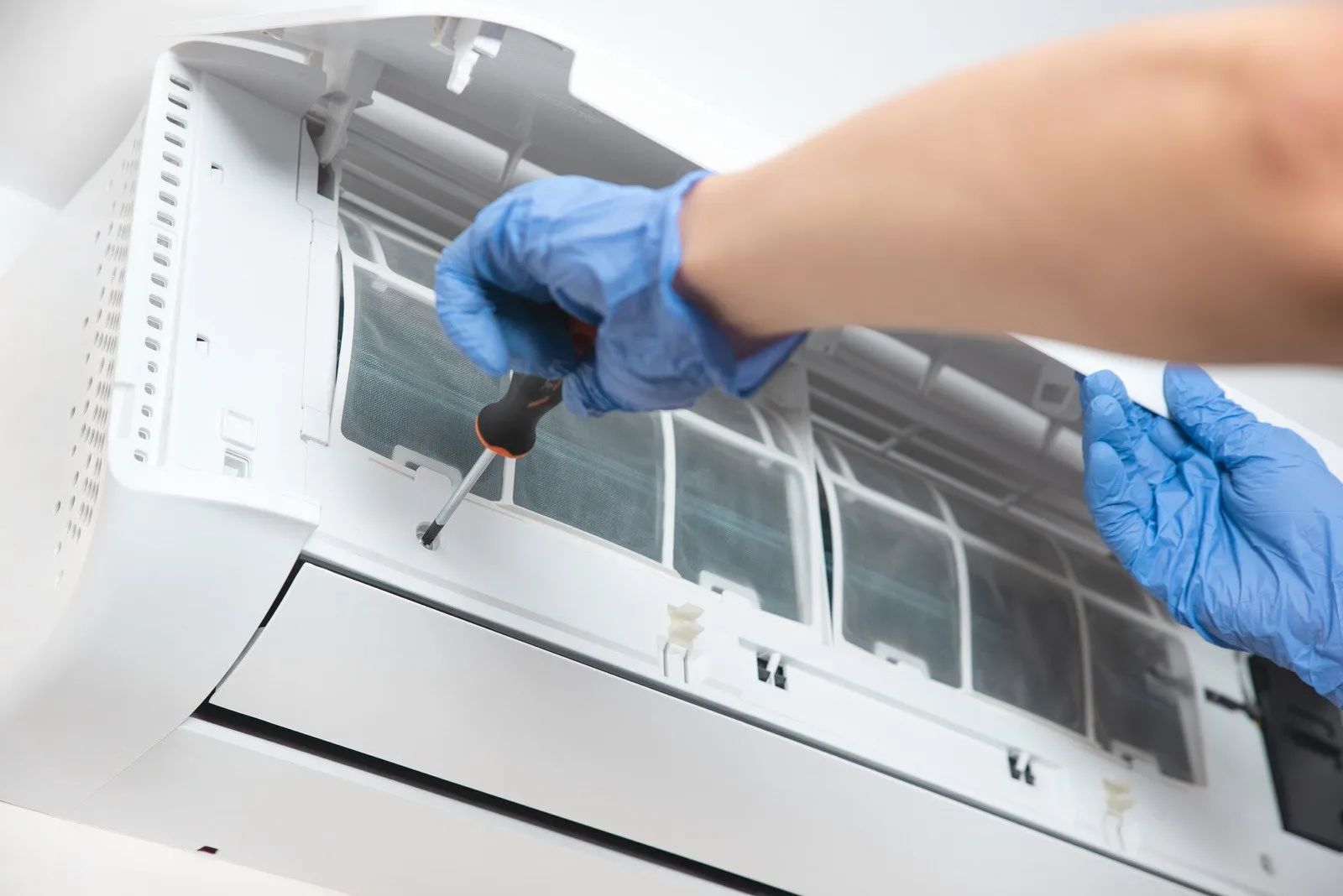
Air filters trap dust, pollen, and other airborne particles, protecting the AC unit and ensuring clean indoor air. Over time, filters become clogged, reducing airflow and forcing the system to work harder. Regular filter replacement or cleaning prevents strain on the unit and improves efficiency. Similarly, indoor coils accumulate dirt and debris, which can compromise heat transfer and cooling performance. Professional maintenance includes cleaning these coils to restore proper function.
Refrigerant Levels and System Pressure
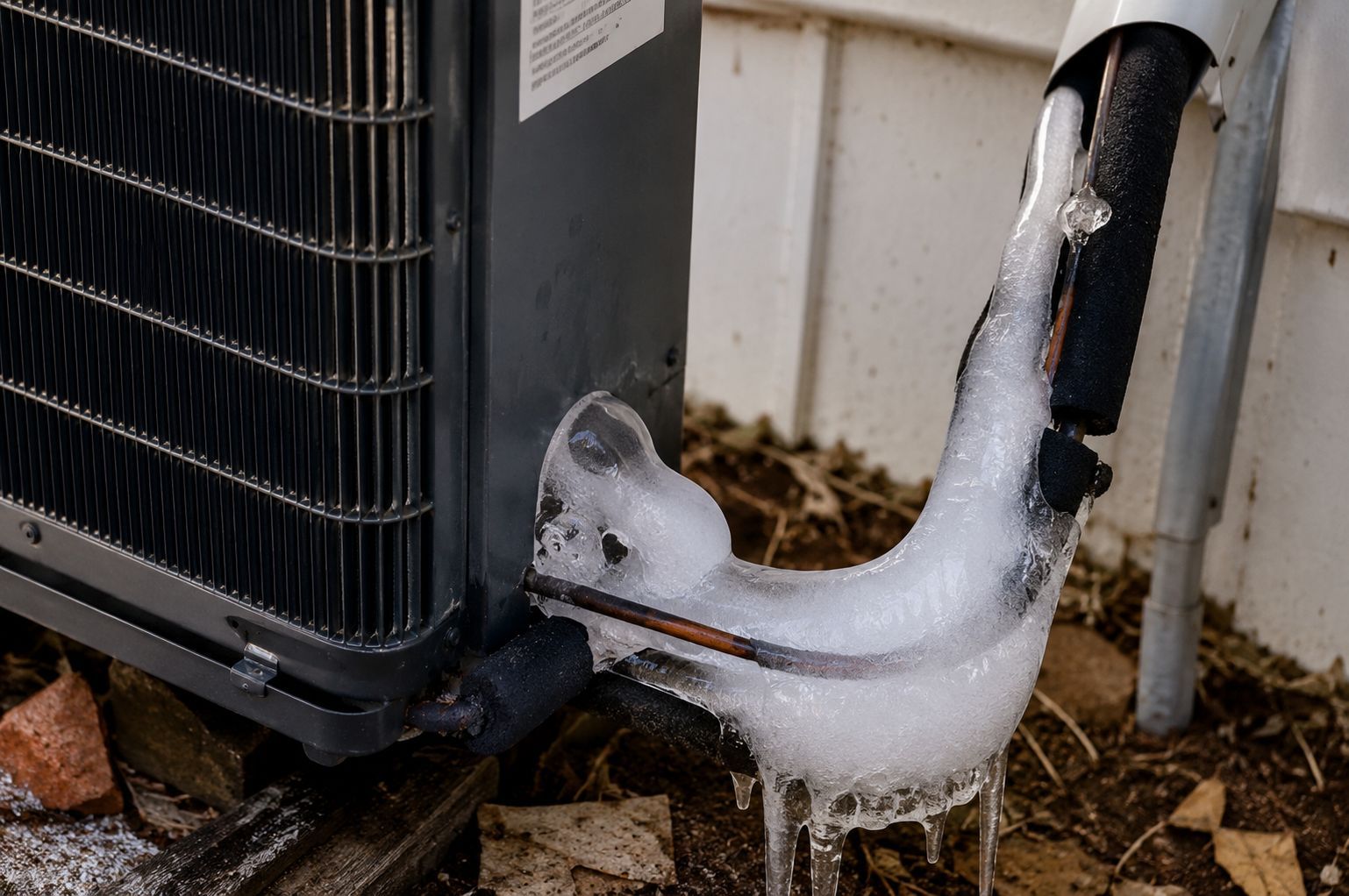
Refrigerant is the lifeblood of an AC system. Insufficient refrigerant levels or leaks can lead to inadequate cooling and potential compressor damage. Technicians check refrigerant levels, identify leaks, and recharge the system as necessary. Maintaining correct pressure ensures optimal performance, prevents energy waste, and prolongs the life of the compressor, one of the most costly components to replace.
Electrical Connections and Safety Controls
Faulty electrical connections are a common cause of AC breakdowns. Over time, wires can loosen or corrode, leading to short circuits, intermittent operation, or total system failure. Routine maintenance involves inspecting electrical connections, tightening loose terminals, and testing safety controls. These steps not only prevent costly repairs but also reduce the risk of fire hazards associated with faulty electrical components.
Condensate Drains and Outdoor Units
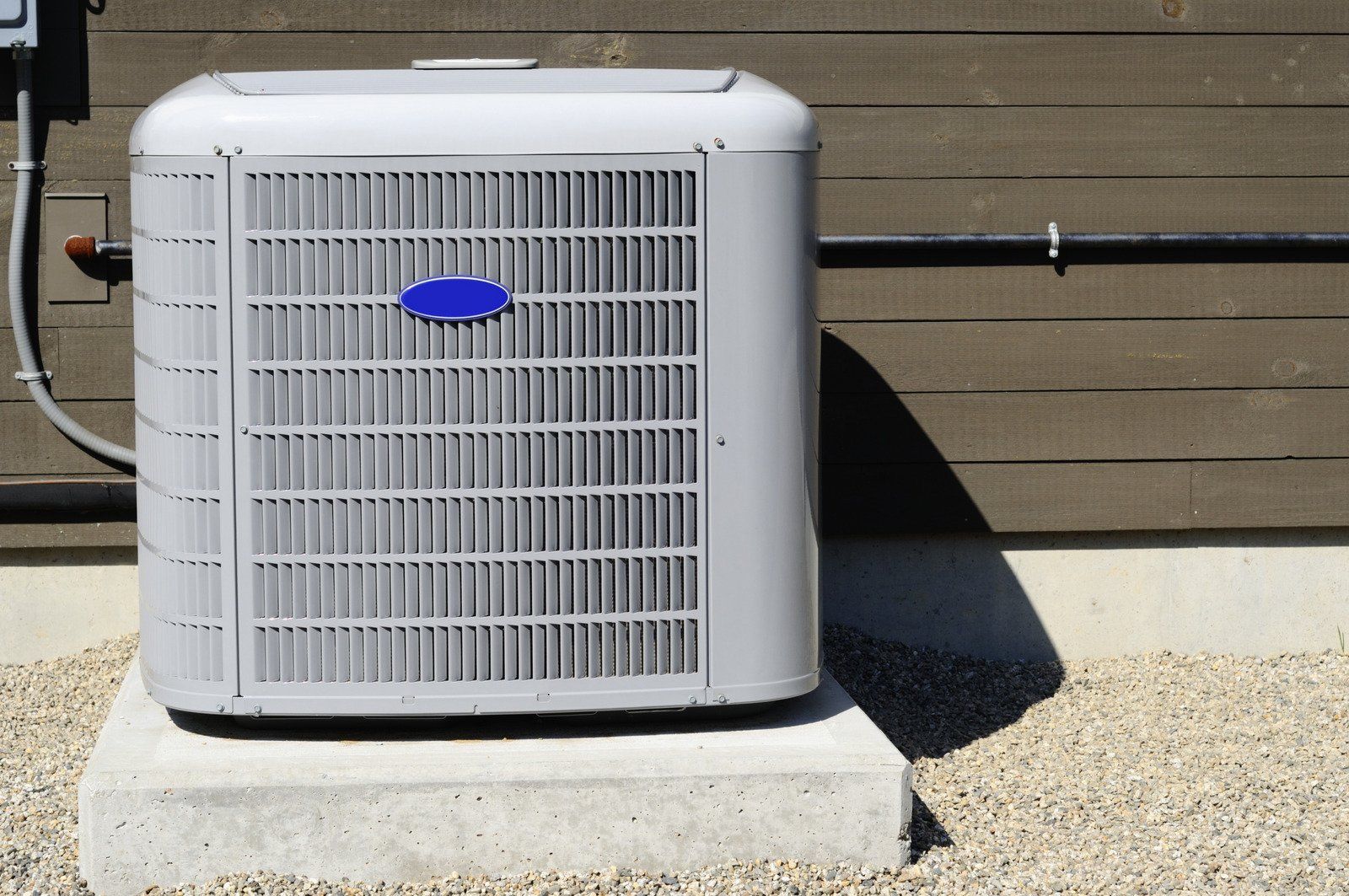
Clogged condensate drains can cause water leaks, leading to structural damage or mold growth. Maintenance technicians ensure that the drains are clear and functioning correctly. Outdoor units, exposed to weather and debris, also require inspection and cleaning. Removing dirt, leaves, and obstructions from the condenser improves airflow and cooling efficiency, reducing the likelihood of compressor strain and failure.
Benefits of Preventive Maintenance
Extended System Lifespan
One of the most significant advantages of regular AC maintenance is extending the system’s operational life. An air conditioner subjected to routine inspections, cleaning, and minor repairs can last 10–15 years, compared to 7–10 years for neglected units. Proper lubrication, coil cleaning, and timely refrigerant adjustments reduce wear and tear, keeping the system running smoothly for longer.
Improved Energy Efficiency
Energy efficiency is directly tied to the system’s cleanliness and operational health. Well-maintained AC units operate at peak efficiency, consuming less electricity while delivering superior cooling. In addition to lowering monthly energy bills, efficient systems have a smaller carbon footprint, contributing to environmentally responsible energy usage.
Fewer Emergency Repairs
Scheduled maintenance reduces the likelihood of unexpected breakdowns. Emergency repairs often require higher labor costs and expedited parts shipping, adding stress and expense. By identifying potential problems early, preventive maintenance minimizes downtime, keeps the property comfortable, and prevents the inconvenience of being without cooling during peak seasons.
Consistent Comfort and Indoor Air Quality
A clean, well-maintained AC system provides consistent temperature control and better air quality. Dirty coils and filters can harbor allergens, dust, and mold spores, negatively affecting indoor air quality. Routine maintenance ensures that the air circulated is clean and that cooling performance remains reliable, keeping occupants comfortable and healthy throughout the year.
Best Practices for AC Maintenance
Annual Professional Inspections
Engaging a licensed HVAC professional for annual inspections is the cornerstone of effective maintenance. Technicians conduct comprehensive checks, clean critical components, and make adjustments that homeowners may not be equipped to handle. Professional inspections can also reveal minor issues before they escalate into major repairs.
Regular Filter Replacement
Homeowners should monitor and replace air filters every 1–3 months, depending on usage and filter type. High-efficiency filters or homes with pets may require more frequent replacements. This simple step greatly improves airflow, reduces strain on the system, and enhances indoor air quality.
Monitor and Clean Outdoor Units
Regularly inspect outdoor units for debris, dirt, and overgrown vegetation. Keep at least two feet of clearance around the unit to ensure proper airflow. Homeowners can gently hose down condenser coils and remove debris, but deep cleaning should be performed by a professional to avoid damaging delicate fins.
Schedule Off-Season Maintenance
Spring or fall are ideal times for maintenance since demand on the AC system is lower. Scheduling service during these periods ensures that the unit is prepared for peak summer or winter usage. Off-season maintenance appointments are often easier to secure and may be more cost-effective than last-minute service calls during extreme temperatures.
Keep Records and Track Performance
Maintaining records of service visits, repairs, and component replacements allows homeowners to track the health of their system over time. This documentation helps technicians make informed recommendations and ensures continuity of care, which is especially valuable for warranty purposes and long-term planning.
Real-World Scenarios Illustrating Maintenance Benefits
Scenario 1: Avoiding Compressor Failure
A homeowner noticed the AC was running longer than usual to maintain the desired temperature. During a routine inspection, a technician discovered low refrigerant levels and minor electrical issues. After corrective maintenance, the system operated efficiently, and the compressor was spared from overworking. Without preventive service, the compressor could have failed, resulting in a repair bill exceeding $3,000.
Scenario 2: Preventing Mold and Water Damage
A property owner experienced occasional water pooling near the indoor unit. A scheduled maintenance check revealed a clogged condensate drain. Clearing the blockage and treating the drain prevented water damage, mold growth, and costly remediation, demonstrating the protective benefits of routine inspections beyond mechanical repairs.
Scenario 3: Enhancing Energy Savings
A business owner observed rising utility costs despite consistent AC usage. A professional maintenance visit revealed dirty coils, clogged filters, and low refrigerant. After servicing the system, energy consumption decreased by 20%, translating into substantial annual savings. This scenario highlights how maintenance not only prevents breakdowns but also improves operational efficiency.
Dependable AC Maintenance from Local Professionals
Regular air conditioning maintenance is not just a recommendation—it is a critical investment in comfort, efficiency, and long-term cost savings. By performing routine inspections, cleaning, and adjustments, homeowners and businesses can prevent unexpected breakdowns, extend system lifespan, improve energy efficiency, and maintain high indoor air quality. The proactive approach of preventive care ensures that minor issues are addressed before they escalate into costly repairs, providing peace of mind and reliable comfort year-round.
For property owners in Broomall, Pennsylvania, Phoenix Home Services, LLC, LLC offers25
years of trusted HVAC expertise. With decades of hands-on experience, their team delivers
comprehensive AC maintenance, repair, and installation services designed to maximize system performance and efficiency. Clients benefit from personalized care, meticulous attention to detail, and practical solutions tailored to each property. Phoenix Home Services, LLC, LLC, stands as a reliable partner in safeguarding your air conditioning investment, minimizing downtime, and reducing energy costs while ensuring your home or business remains comfortable throughout every season. Trust their expertise to keep your AC running smoothly for years to come.