
Decoding Winter Plumbing Issues And How To Prevent It
Plumbing problems can be a massive headache in the winter due to the extreme cold. These plumbing issues can be a significant nuisance when temperatures drop from frozen pipes to leaky faucets and clogged toilets. But don't worry! Read on to learn more about common winter plumbing problems and what steps you should take when dealing with them.
Frozen Pipes
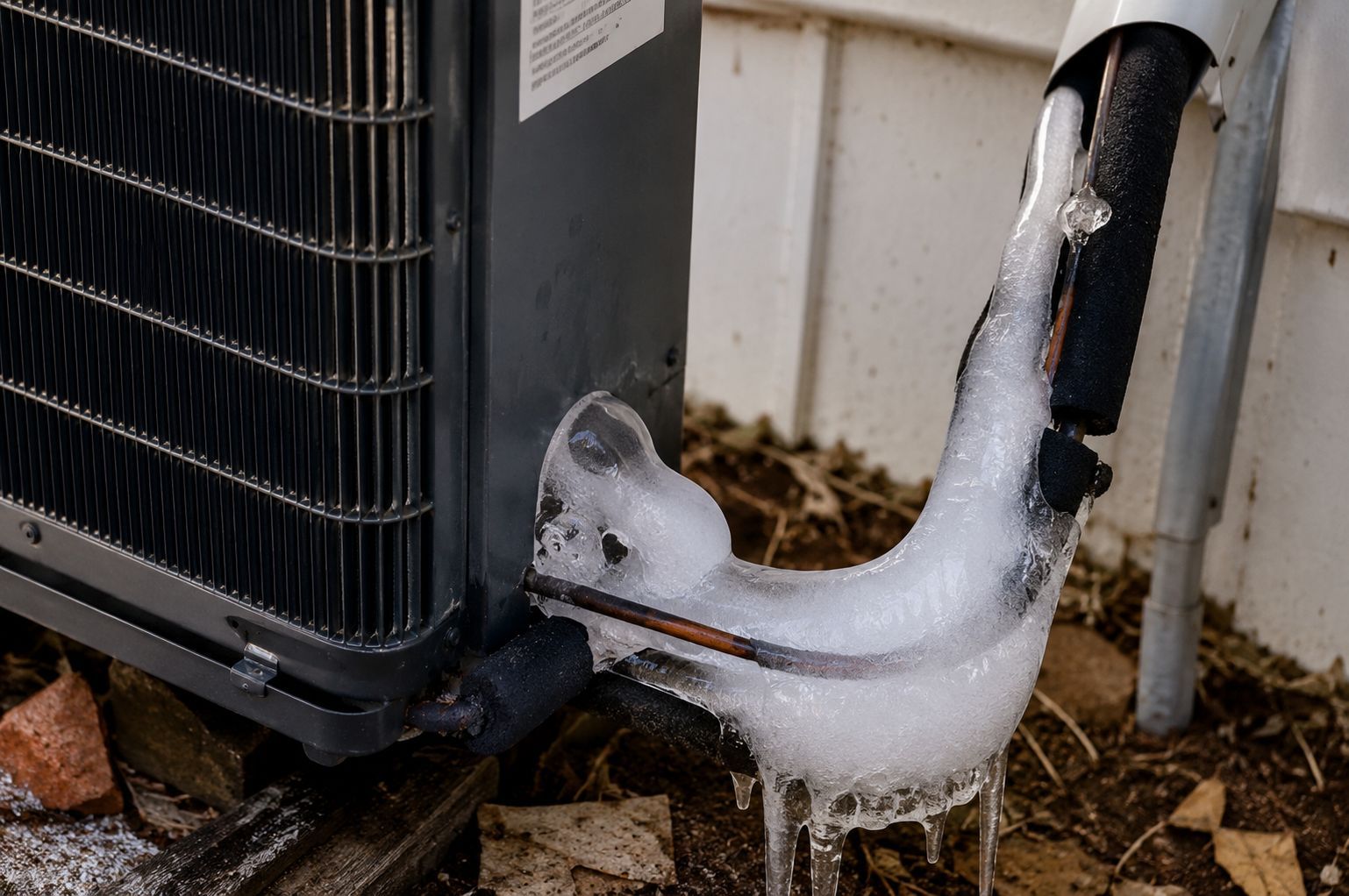
Frozen pipes are among the common winter plumbing issues. They can occur when the temperature outside drops below freezing and water in the pipes freezes. This can cause the pipes to burst, damaging your home severely.
There are a bunch of things to prevent frozen pipes:
- Insulate your pipes: It will help keep them warm and prevent them from freezing.
- Seal any cracks or gaps: These can provide a way for cold air to enter your home and make contact with the pipes.
- Keep your thermostat at a consistent temperature: This will help reduce the risk of the temperature dropping too low and causing the pipes to freeze.
Flooding Basement
If your basement is prone to flooding, you can do a few things to prevent it. Make sure gutters and downspouts do not have any debris. It will ensure the proper drainage of the water. You may also want to consider installing a sump pump in your basement to help remove any water that can get in.
All pipes should be adequately insulated. This will help reduce the chance of them freezing, which can lead to burst pipes and flooded basements. Additionally, ensure that all drains are clear so water can flow away from the house instead of pooling around it. You should also inspect any sump pumps regularly and test them before winter arrives, as they are designed to pump out excess water from your basement if needed.
Clogged Drains
If your home has a plumbing system, chances are you've experienced a clogged drain at some point. Drains can become clogged with anything from hair to dirt and grease. And while a clogged drain may not seem like a big deal, it can actually lead to some severe problems if left unaddressed.
To prevent this from happening, it's essential to clear out your drain traps and pipes regularly, especially before cold weather sets in. Ensure all debris, such as hair, food scraps, and other waste, is thrown away instead of going down a sink or toilet.
Additionally, use covers on floor drains and outdoor vents to keep snow and ice out of them. If you can't avoid pouring grease down the kitchen sink, pour it into an old coffee can or jar so it solidifies before disposing of it properly.
Broken Water Line
A broken water line is one of the most common winter plumbing issues. If you have a broken water line, you must have it repaired as soon as possible. There are a few things that you can do to prevent a broken water line, such as:
- Insulate your pipes: This will help to keep your pipes from freezing and breaking.
- Keep your heat on: Keeping your home warm will help to prevent your pipes from freezing.
- Disconnect any hoses: Make sure to disconnect any hoses from your faucets before the cold weather hits.
Conclusion
Winter plumbing issues can be a real nuisance and costly to repair, but with the right measures in place, you can prevent them from occurring. By having your pipes insulated, checking for leaks regularly, and having an emergency plumber on hand if something does go wrong, you'll be able to tackle any winter plumbing issues that arise without missing a beat. With these tips in mind, don't worry about being left out in the snow next time you have a cold snap - just stay warm inside, knowing your plumbing is taken care of!