
Common HVAC Emergencies and How to Handle Them Until Help Arrives
Heating, ventilation, and air conditioning (HVAC) systems can face problems at any time. Some of these issues are simple, but others need urgent attention. Knowing what to do during an emergency can help you stay safe and prevent more damage. Acting quickly can also help keep repair costs down.
When your HVAC system stops working, it can make your home uncomfortable or even unsafe. That is why it is important to know how to handle the most common HVAC emergencies. Here’s a quick guide on what to do until a professional arrives to fix the problem.
1. Air Conditioner Not Cooling
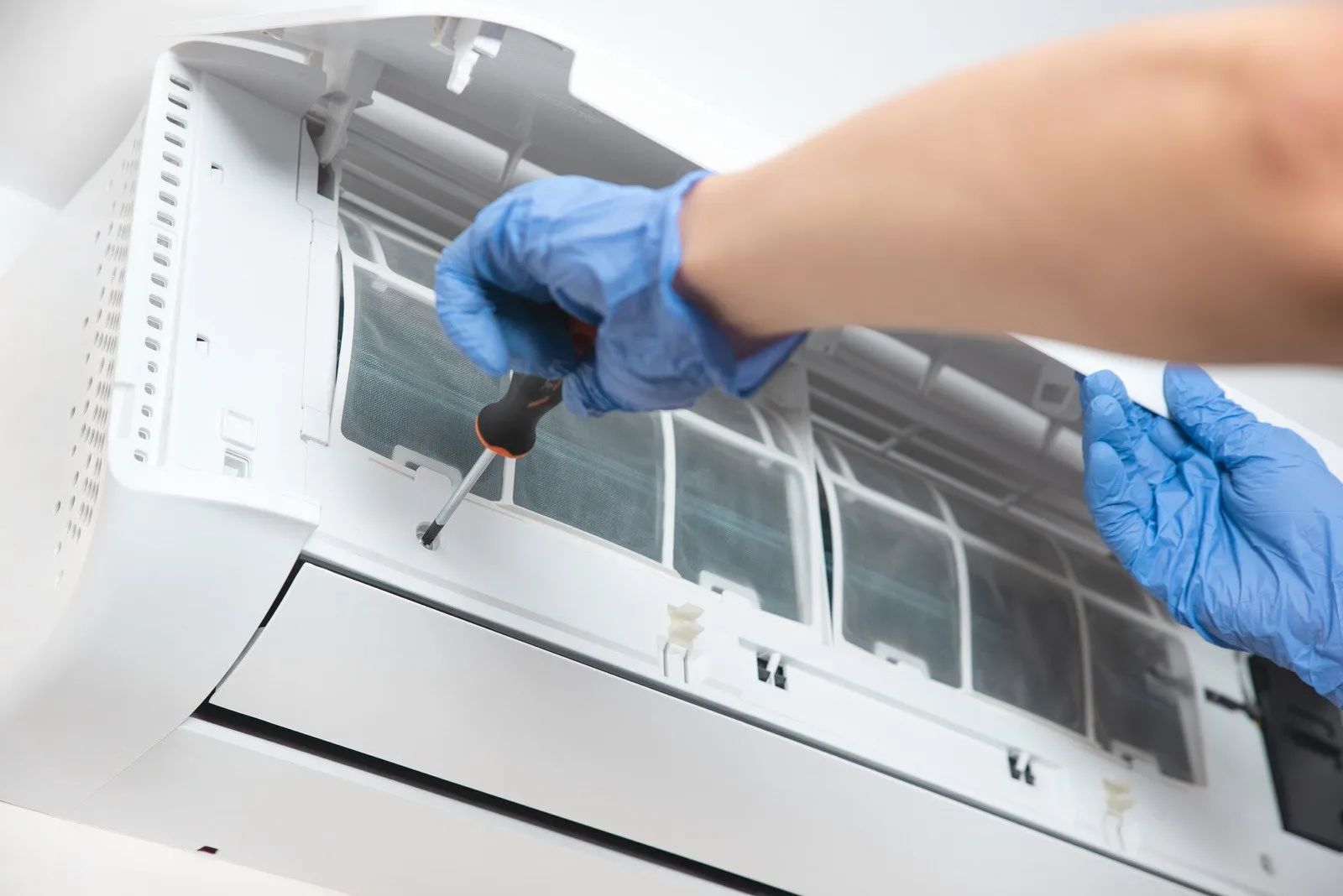
When the air conditioner blows warm air, it is a sign of a problem. First, check the thermostat to make sure it is set to "cool." Then, inspect the air filter. A dirty air filter can block airflow and cause the system to work harder. If the filter is clogged, replace it. Checking the circuit breaker to ensure it has not tripped is also important. If none of these steps work, it is best to turn off the unit and wait for help.
2. Furnace Not Producing Heat
A furnace that isn’t heating can make your home very cold, especially in the winter. The first thing to do is check the thermostat and make sure it’s set to "heat." If the setting is correct, check the furnace filter. A dirty filter can reduce airflow and cause the furnace to shut down. If the filter looks clean, check the pilot light. Certain furnaces rely on a pilot light to ignite the gas. If it’s out, you may need to relight it, but only if you feel comfortable doing so. If not, call a trusted HVAC professional for help.
3. Water Leaking from the HVAC System
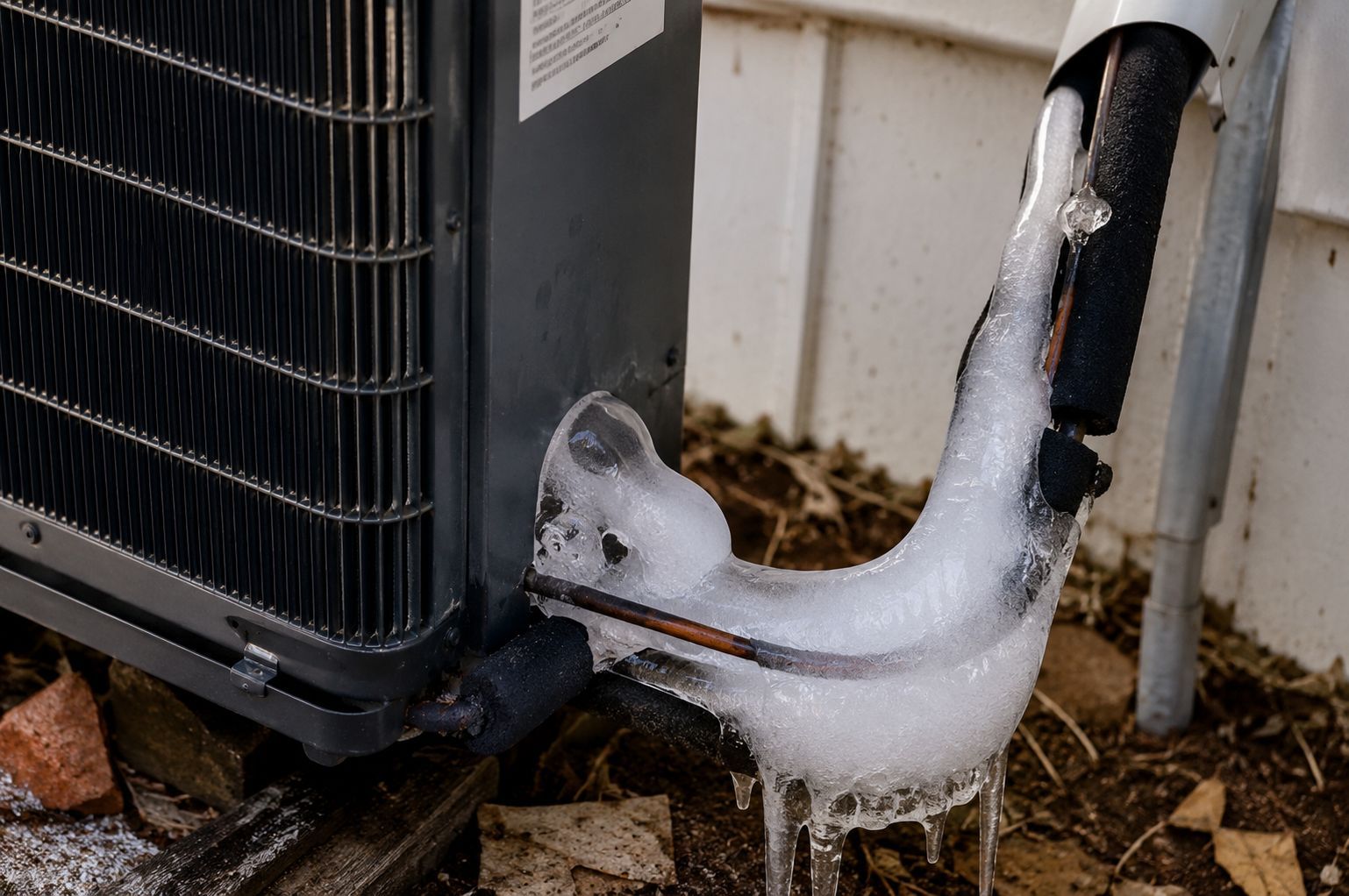
Water leaking from your HVAC system is a common issue, especially with air conditioners. It usually happens because of a clogged drain line. You can try to clear the drain line with a small amount of bleach or by using a wet vacuum. However, it is important not to open any parts of the system that you are not familiar with. Turn off the unit if you see water leaking, and call a technician.
4. Unusual Noises Coming from Your HVAC System
Loud or strange noises from your HVAC system can be alarming. These noises could be due to loose parts, broken belts, or issues with the motor. If you hear banging, clanging, or screeching sounds, turn off the system to avoid more damage. Do not try to fix it yourself. Call a technician to inspect the system and fix the problem. Continuing to run the system can make the situation worse.
5. System Short Cycling
Short cycling occurs when your HVAC unit frequently turns on and off. This problem can be caused by an oversized unit, a dirty air filter, or a thermostat issue. Check the filter and the thermostat first. If everything looks fine, the system may need professional attention. Short cycling puts extra stress on the HVAC unit, which can lead to higher energy bills and more frequent repairs. It is best to turn off the system and call a technician if the problem continues.
Knowing how to handle
HVAC emergencies can save you time, money, and frustration. Always check the basics first, like the thermostat and air filter. If the issue seems serious, turn off the system and call a professional right away. Trying to fix the problem on your own can cause more damage and increase repair costs.