
5 Proven Ways to Extend Your Residential Plumbing’s Lifespan
1. Prevent Clogs with Proper Drain Care
A leading cause of plumbing damage is clogged drains. Over time, accumulated hair, grease and food debris can obstruct water flow and cause pipe damage. Preventing clogs requires not flushing non-biodegradable objects and placing drain screens to trap debris and safe grease disposal in place of sink disposal. Regularly flushing drains with hot water and baking soda can also help prevent buildup.
2. Be Mindful of Water Pressure
Excessive water pressure can put undue stress on pipes, increasing the risk of leaks and bursts. High water pressure may lead to plumbing system deterioration even though it provides better showering and dishwashing performance. To safeguard pipes and fixtures it is necessary to install pressure regulators when the system pressure reaches dangerous levels. Additionally, monitoring pressure fluctuations and replacing old, worn-out plumbing components can help ensure a stable water flow.
3. Regular Plumbing Inspections
Just like any other home system, your plumbing needs routine check-ups. Hiring a professional plumber to inspect your pipes, water heater, and fixtures at least once a year can help detect small issues before they turn into major problems. These inspections can identify leaks, corrosion, or potential blockages early, saving you from unexpected and costly repairs. Furthermore, plumbers can provide expert advice on upgrading outdated plumbing materials to more durable and efficient options, ensuring the long-term health of the system.
4. Protect Pipes from Freezing
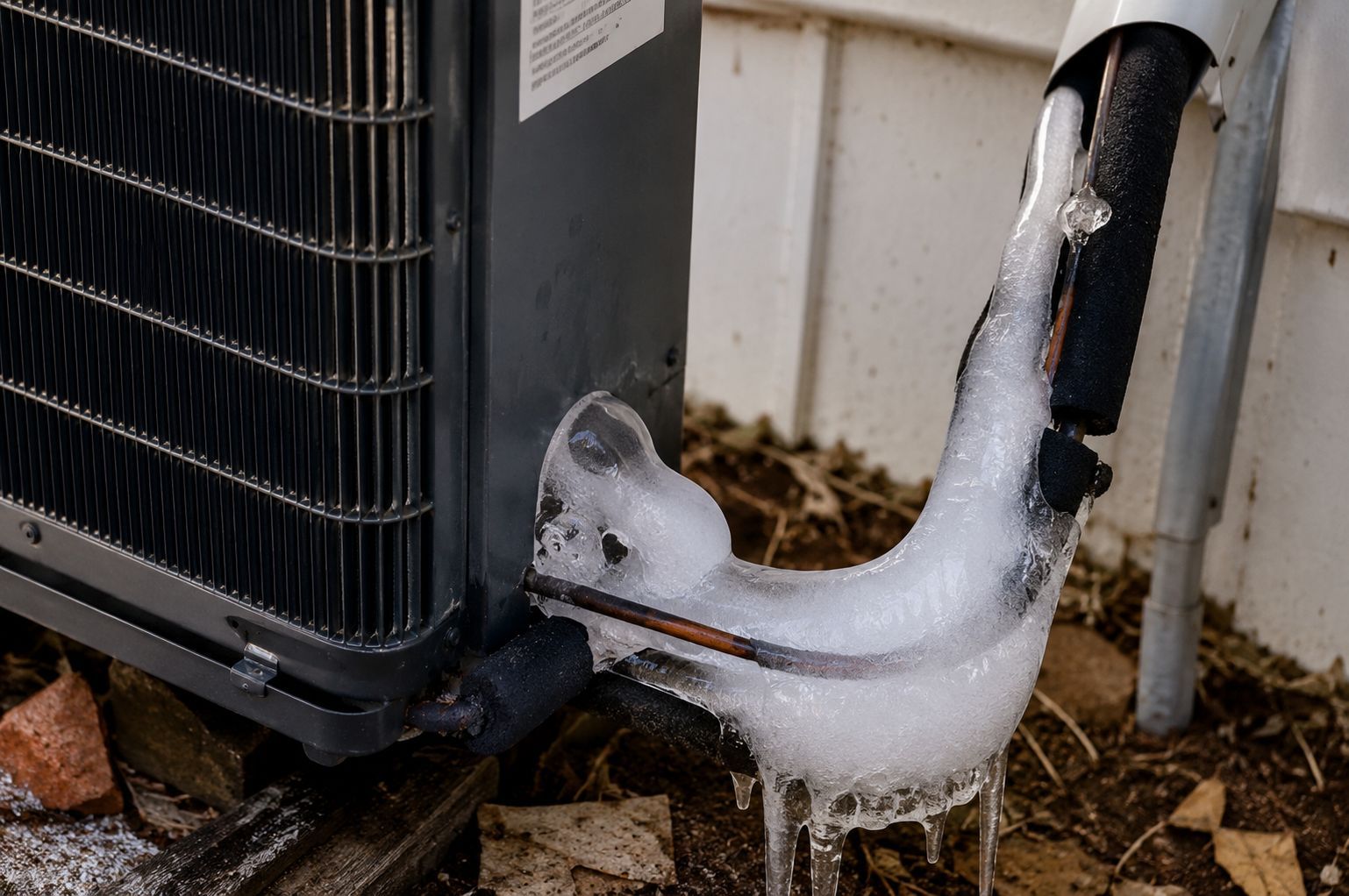
In colder climates, frozen pipes are a common issue that can lead to serious damage. When water inside pipes freezes, it expands, increasing pressure and causing pipes to burst. To prevent freezing, insulate exposed pipes in unheated areas such as basements, attics, and crawl spaces. Additionally, during extremely cold weather, let faucets drip slightly to keep water moving and reduce the risk of freezing.
5. Water Softeners to Reduce Mineral Buildup
The mineral content of hard water consists of high amounts of calcium as well as magnesium resulting in pipe obstruction and appliance clogging over time. Such mineral deposits create flow problems that strain plumbing parts while also reducing the operational lifespan of heaters and dishwashers. A water softening unit installed inside your plumbing network stops mineral deposits from forming which helps maintain system flow patterns while extending appliance life.
Taking proactive measures to maintain your
residential plumbing system can prevent costly repairs and ensure its longevity. By avoiding clogs, regulating water pressure, scheduling inspections, protecting pipes from freezing, and using a water softener, you can significantly extend the lifespan of your residential plumbing. With proper care, your plumbing system will remain efficient and reliable for many years to come, saving you both money and unnecessary stress.