
Preparing Your HVAC System for Summer's Heat and Winter's Chill
As the seasons change, so do the demands on your HVAC system. Whether you're gearing up for a scorching summer or bracing for a freezing winter, your HVAC needs to be in top shape. Ensuring it's prepped not only guarantees comfort but also saves money and energy. Here are some no-fuss ways to get your system ready for both the hot and cold spells.
1. Check-Ups Are Like Health Screenings
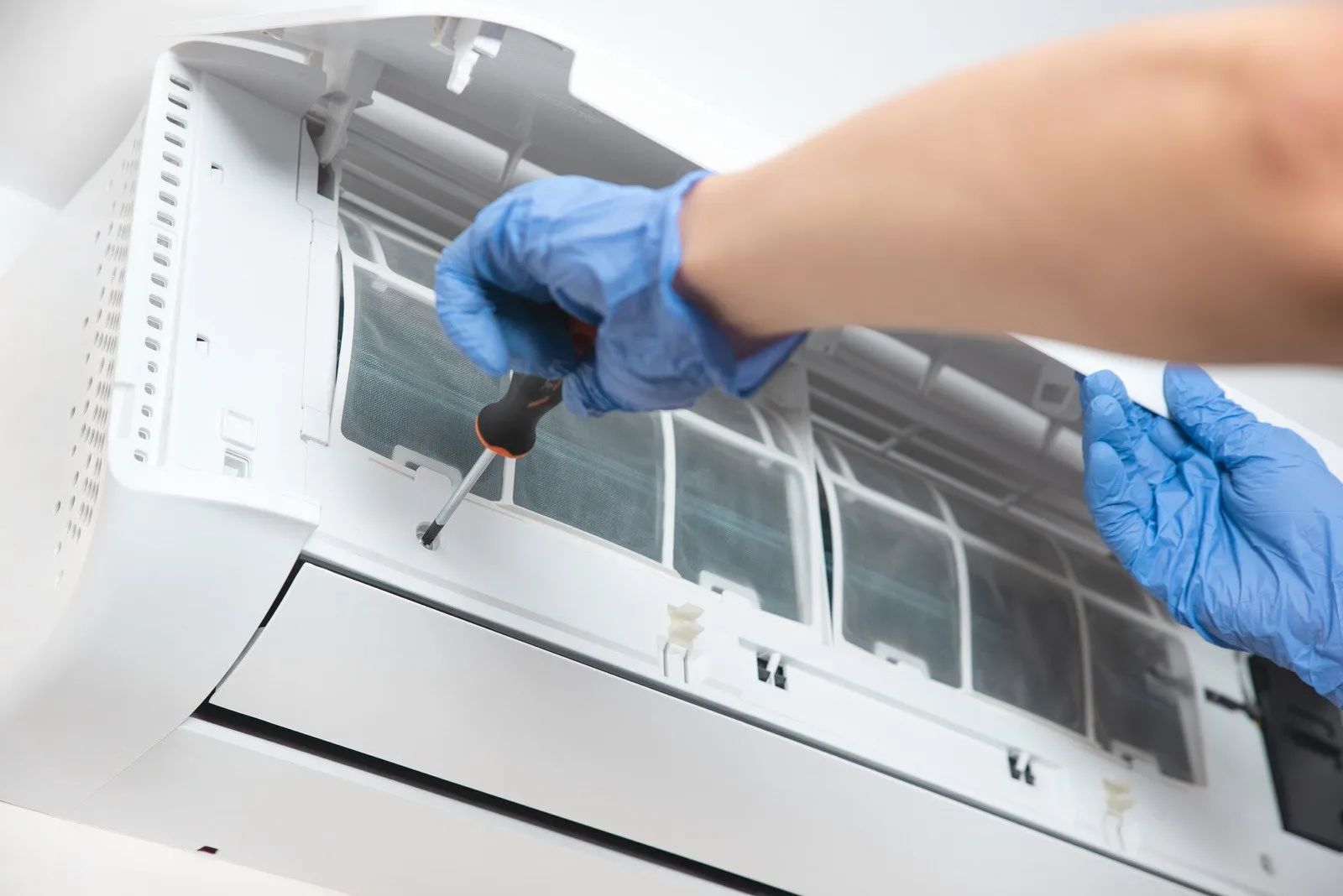
- Think of them as doctor visits for your HVAC.
- Having a professional pop by at least twice a year can spot issues.
- Early detection means small problems don't become big headaches.
2. Filters: The Breath of Your System
- Imagine trying to breathe with a cloth over your mouth. That’s a dirty filter for an HVAC.
- Before summer: Clean them. More dust and pollen are coming.
- Before winter: Replace them. You want warmth, not hindered air.
3. The Thermostat: Your HVAC’s Brain
- If it’s not thinking right, neither will your system.
- Test it. If your room feels like 25°C, it should say 25°C.
- Old thermostat? Think about a newer one. They're smarter and more accurate.
4. Airflow: Keep It Smooth and Steady
- Air should move freely. No blockages.
- Look at your vents. Furniture or curtains in the way? Move them.
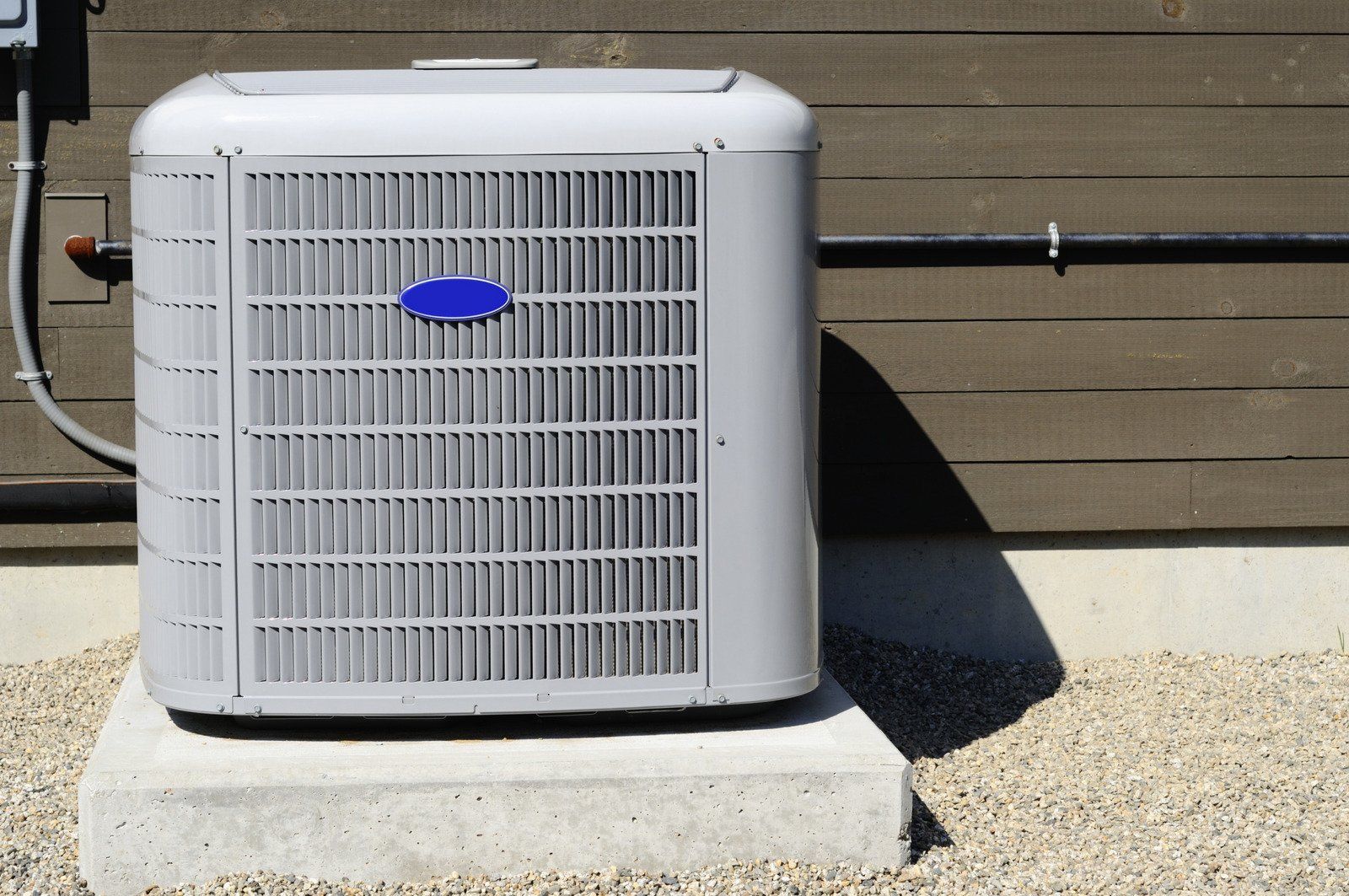
- Got an outdoor unit? Clear away leaves, twigs, or any garden clutter around it.
5. Coils Need to Be Clean
- Dirty coils make the HVAC work overtime. And that's not good.
- Summer’s coming? Clean the outdoor unit's coils.
- Winter on the horizon? The indoor unit's coil needs a look.
6. Drainage: No One Likes a Pool Inside
- Water should have a clear exit, not build up.
- See any water near the drain line? That's a sign.
- Standing water in the drain pan? Time to get it checked.
7. Seal the House: Keep the Outside, Outside
- Drafts mean your HVAC works harder. Not to mention those chilly breezes.
- Check windows and doors for gaps. Seal them.
- Feel cold air coming from somewhere? Insulation might be your answer.
8. Maybe It’s Time for an Upgrade
- Everything ages. Your HVAC isn’t exempt.
- Been more than a decade with it? Newer ones might be more efficient.
- Long-term thinking: A new system can save money on bills.
9. Know the Signs of Trouble
- Sometimes, things just go wrong.
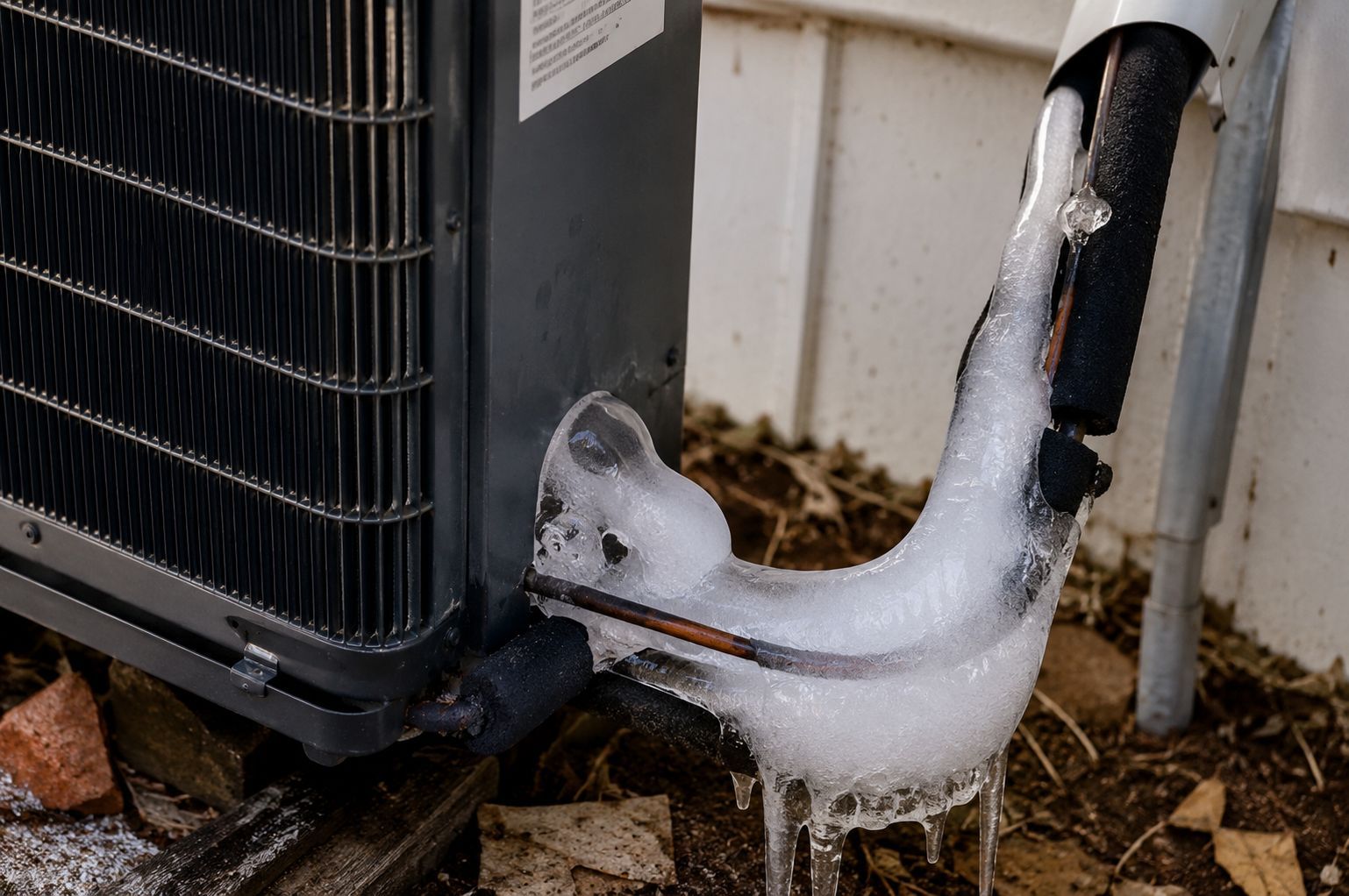
- Odd noises? Reduced airflow? Spikes in your bill? Take note.
- When in doubt, call a professional. Better safe than sorry.
Our HVACs do a lot for us. They handle the summer sun and the winter winds without a complaint. All they ask for in return is a bit of care. Regular check-ups, clean filters, and a keen eye can make a world of difference.
It’s not about getting technical or knowing the ins and outs. It's about being proactive. A little time spent now means comfort year-round and fewer unexpected issues down the road. So, as the seasons change, give your HVAC the attention it deserves. After all, so can you when it's working at its best.